
The Archaeology Museum in Santes is located near the Arch of Germanicus and behind the Tourist Office. It is small but worth a visit. After the docent immediately tagged me as “Anglais” by how I pronounced “bonjour,” he directed me to an interactive video monitor that has an English introduction.
But before I get into what I saw here, I’ll relate what I learned about the mysterious stone cairns I saw yesterday at the amphitheater. I showed the docents a photo, and discovered that one of the museum docents has a colleague who is one of the conservators at the amphitheater. The three of us communicate via photos and translator tools, and I learn that the cairns are temporary homes for widow frogs that are being displaced by the construction work at the amphitheater. She also showed me a photo of a blue butterfly they are working to restore habitat for, that I believe might be an Adonis. She explained that the cairns are fenced in to prevent people from disturbing them, and that the frogs will be released back into the environment once the work on the amphitheater is complete.
Always ask the questions, even if you have to work with phone apps and pantomime!
Back to the museum…
The video monitor gives a brief overview of the founding of Mediolanum during the reign of Augustus Caesar (27 BC-14 AD), when it was the first capital of Aquitania, the Roman province that stretched from the Pyrenees mountains to the Loire river. It showed maps of the town’s shrinkage between the 2nd and 6th centuries when the power base shifted to Burdigala (Bordeaux). Christianity started to take hold during the 6th century with the building of Saint-Pierre Cathedral and another that would be the eventual site of the Abbaye aux Dames.


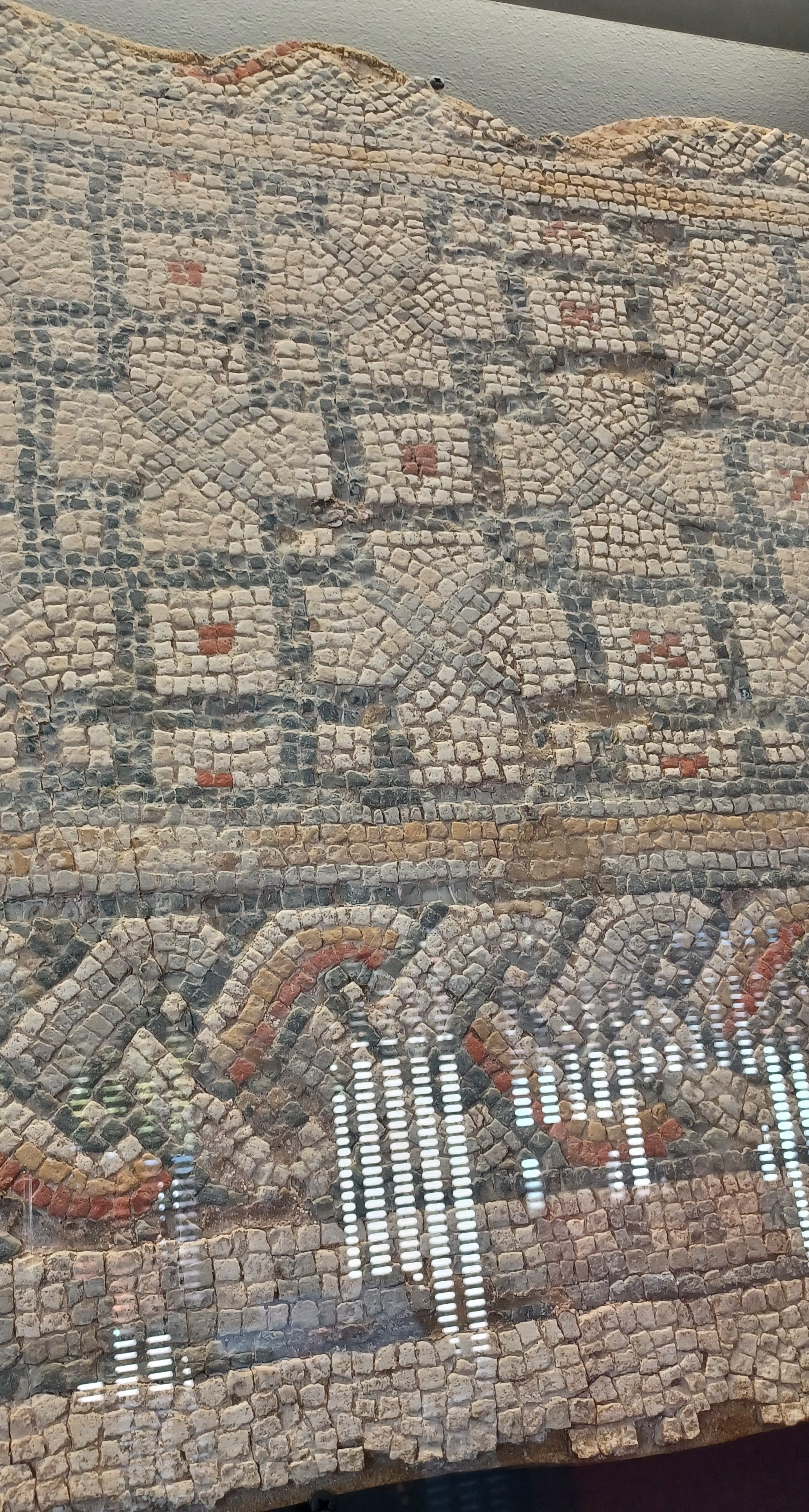
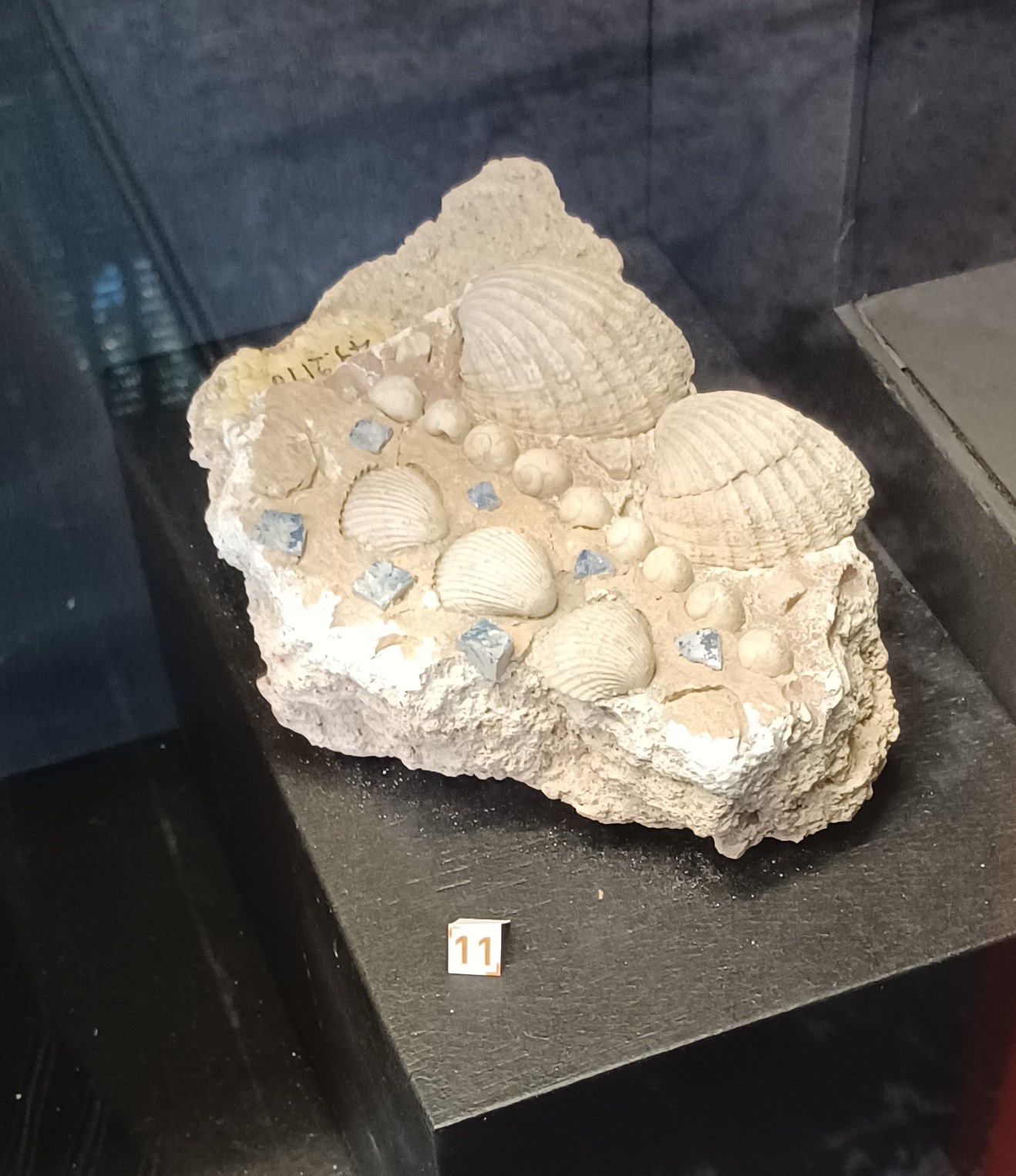
There were mosaic fragments in patterns I had never seen, and one that was made from shells. I noted that one of the diamond shaped tiles was chiseled away on the back like the ones I saw in Morocco. It allows the tiles to butt up against each other with a minimal caulk line in-between.

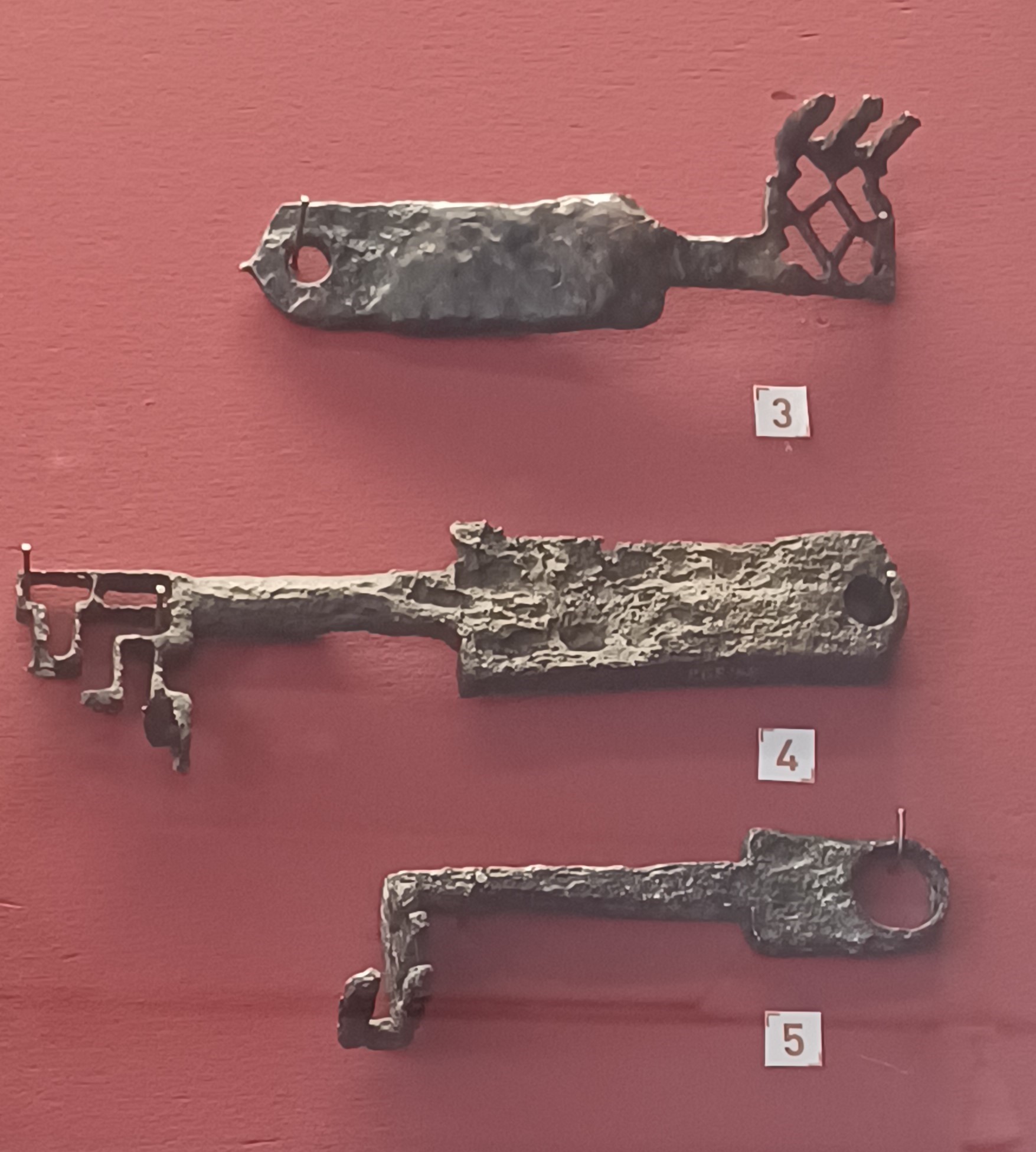
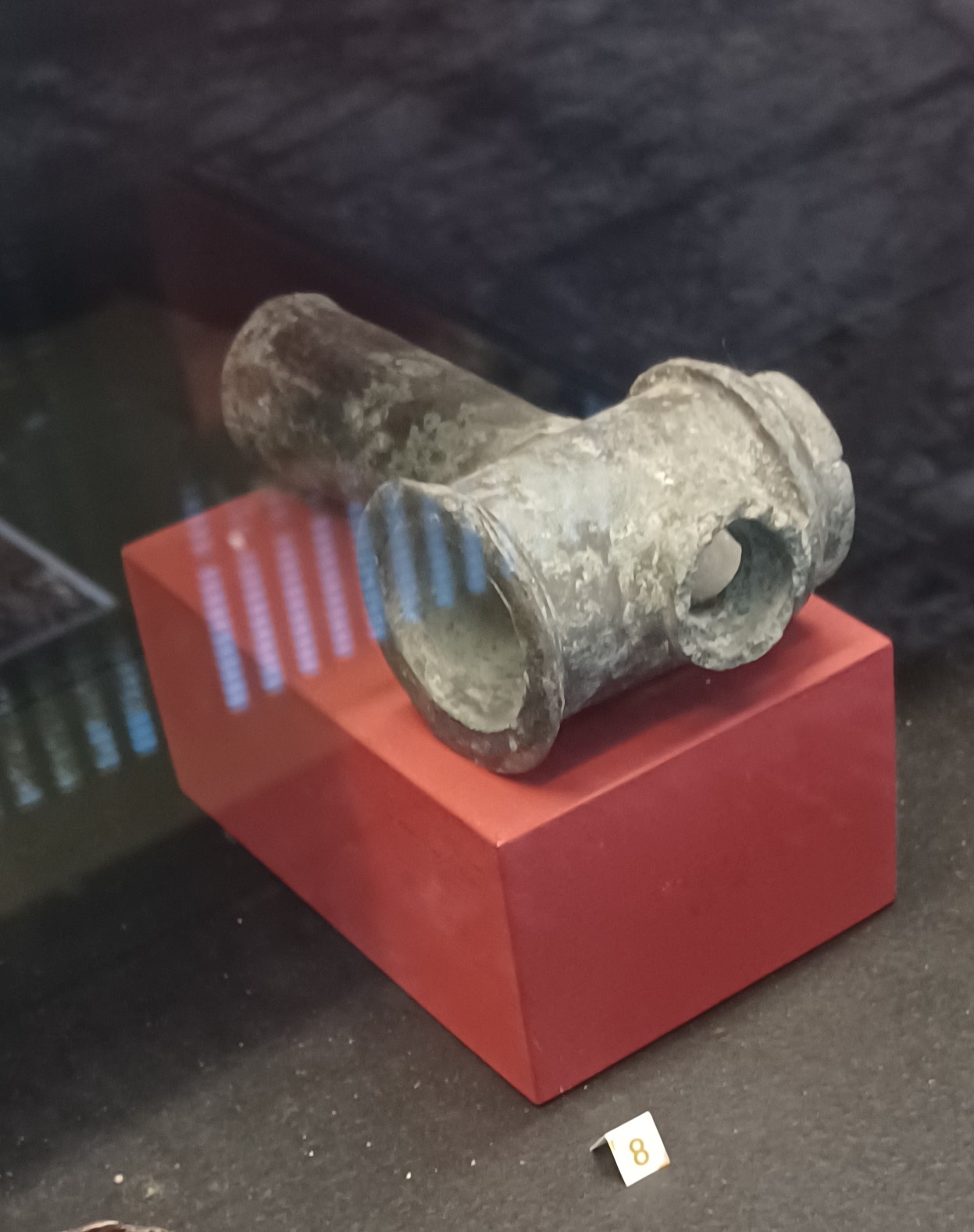
There were tools, and keys, and a joint from an iron pipe that carried water from one of three city aqueducts to the city’s fountains and baths.

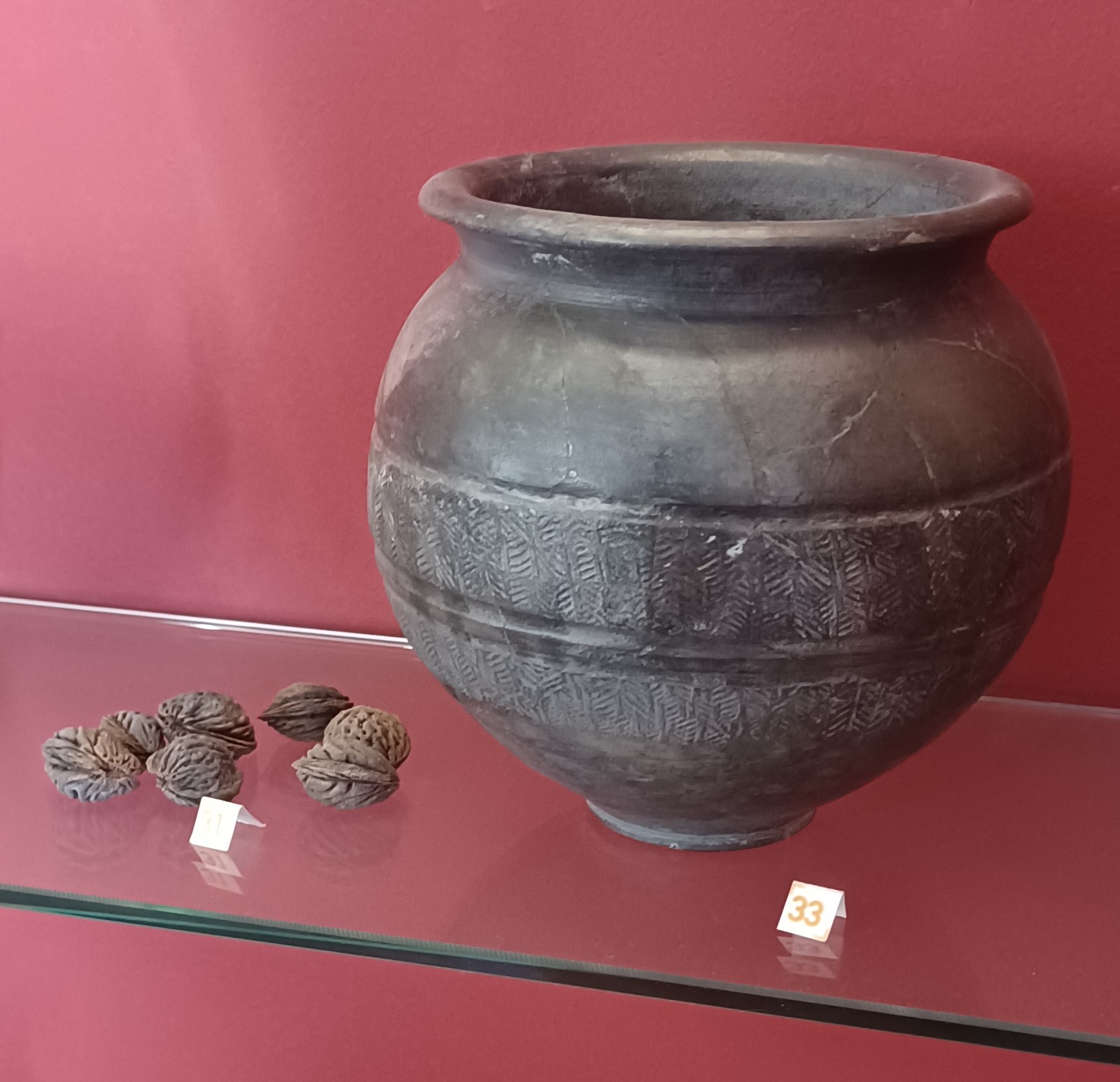
There were cooking vessels, a clay colander, and other vessels in terracotta, sometimes displayed with things I wouldn’t expect to see in this setting, like seeds and plum pits (which looked more like peach pits to me).

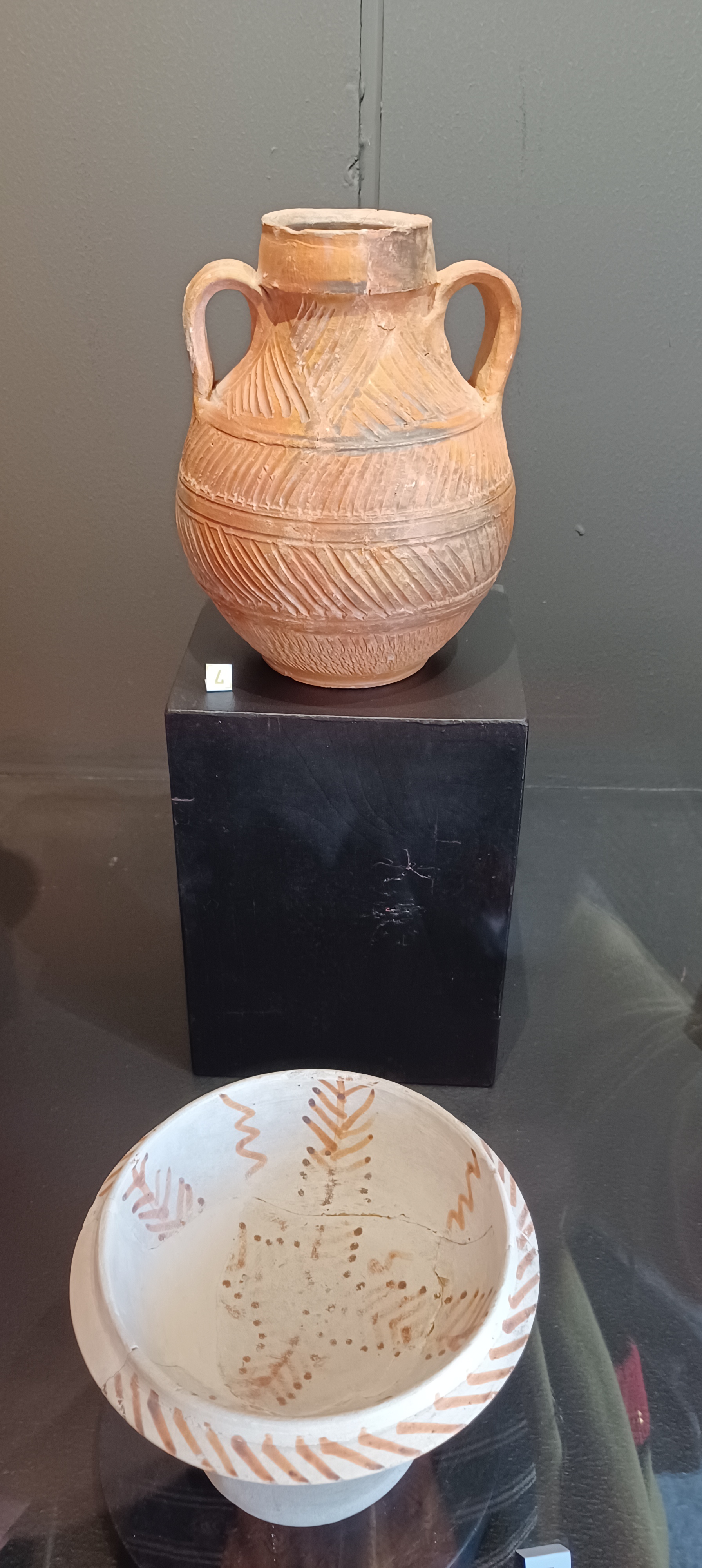


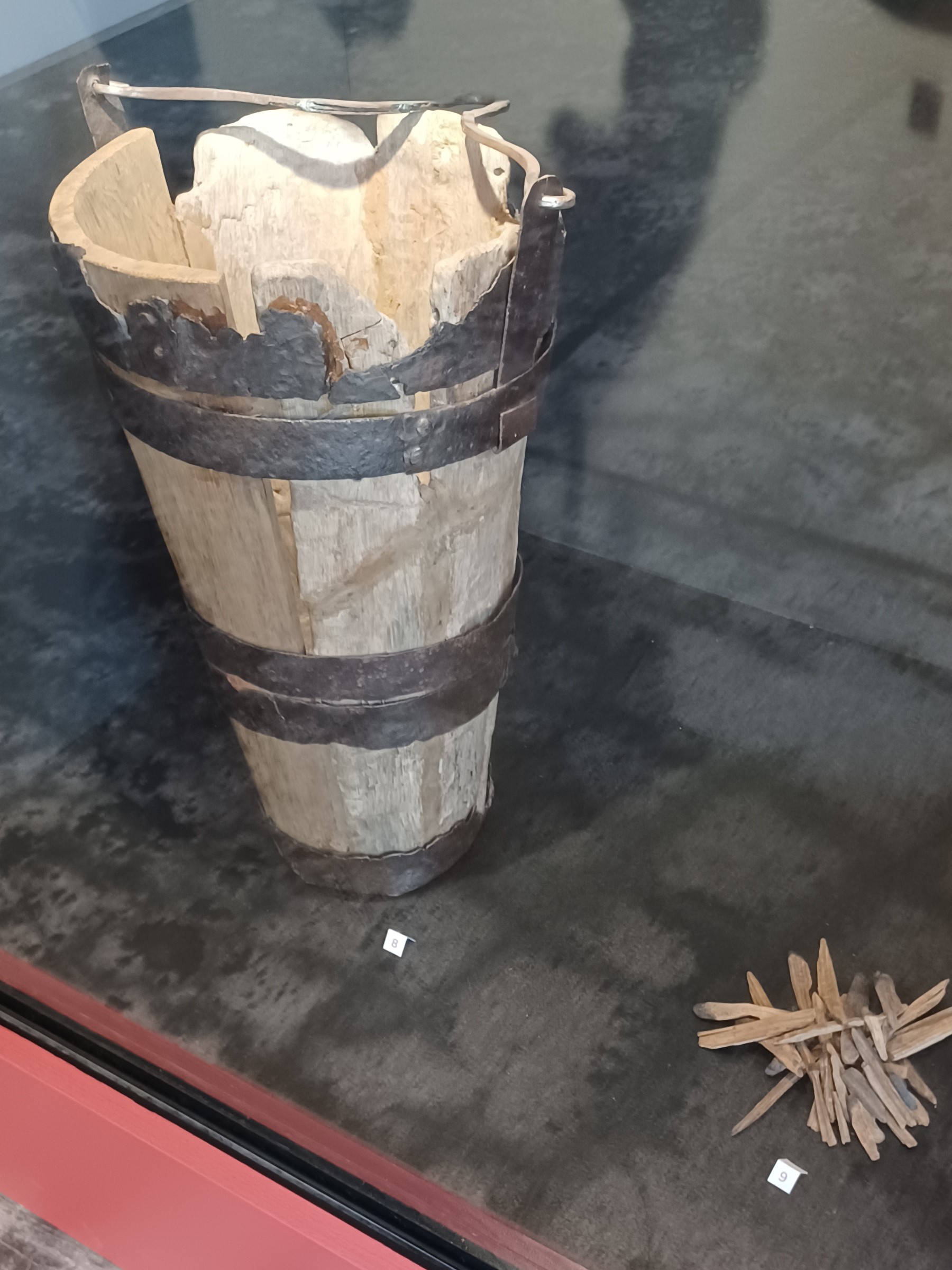
There were amphora used to transport wine, oil and fish sauces. The oldest amphora in Saintes dates to the 1st century BC when the Gauls imported wine from Italy. After the Gallic Wars disrupted trade, wine was brought in from Spain, and local production began. Amphora disappeared by the 3rd century in favor of oak barrels. (Learn more about French cooperage in this video.)


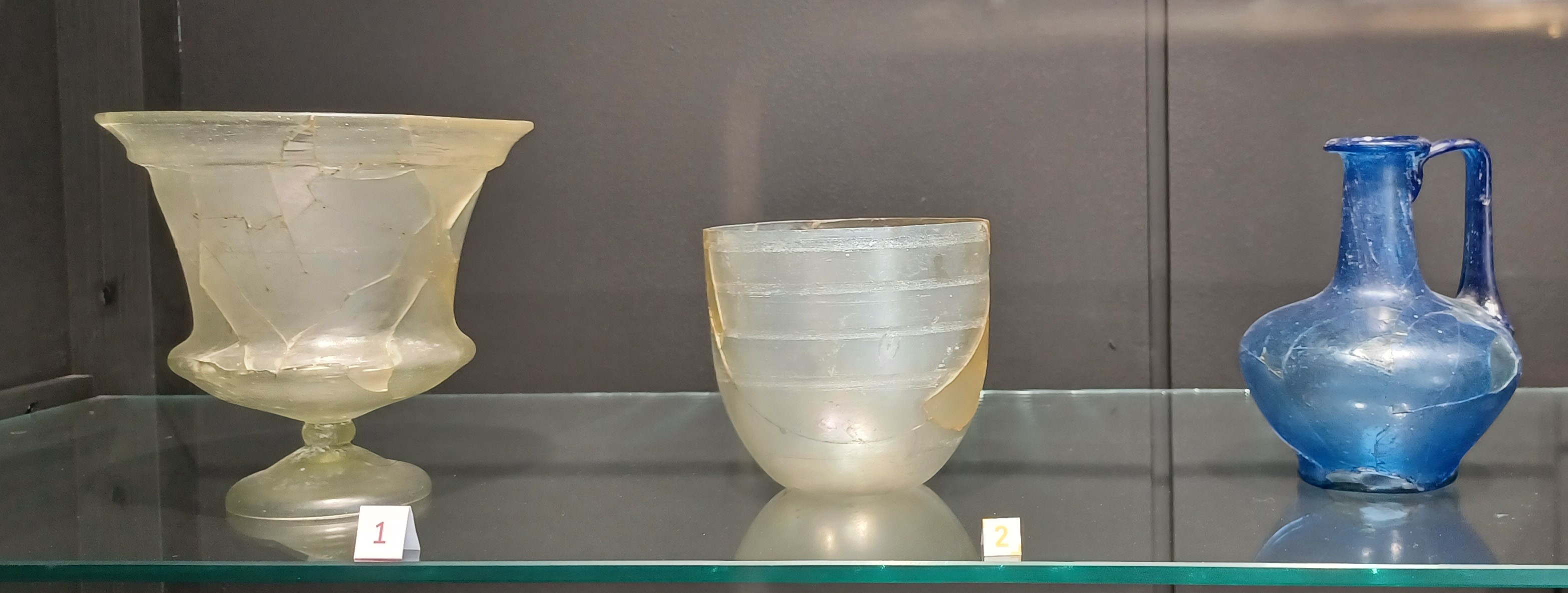
And because I’m a sucker for Roman glass, here’s my favorites. By this point in my trip I had discovered that if I held my straw hat up to the glass right behind my camera, it blocked much of the glare and gave me a clearer photo.

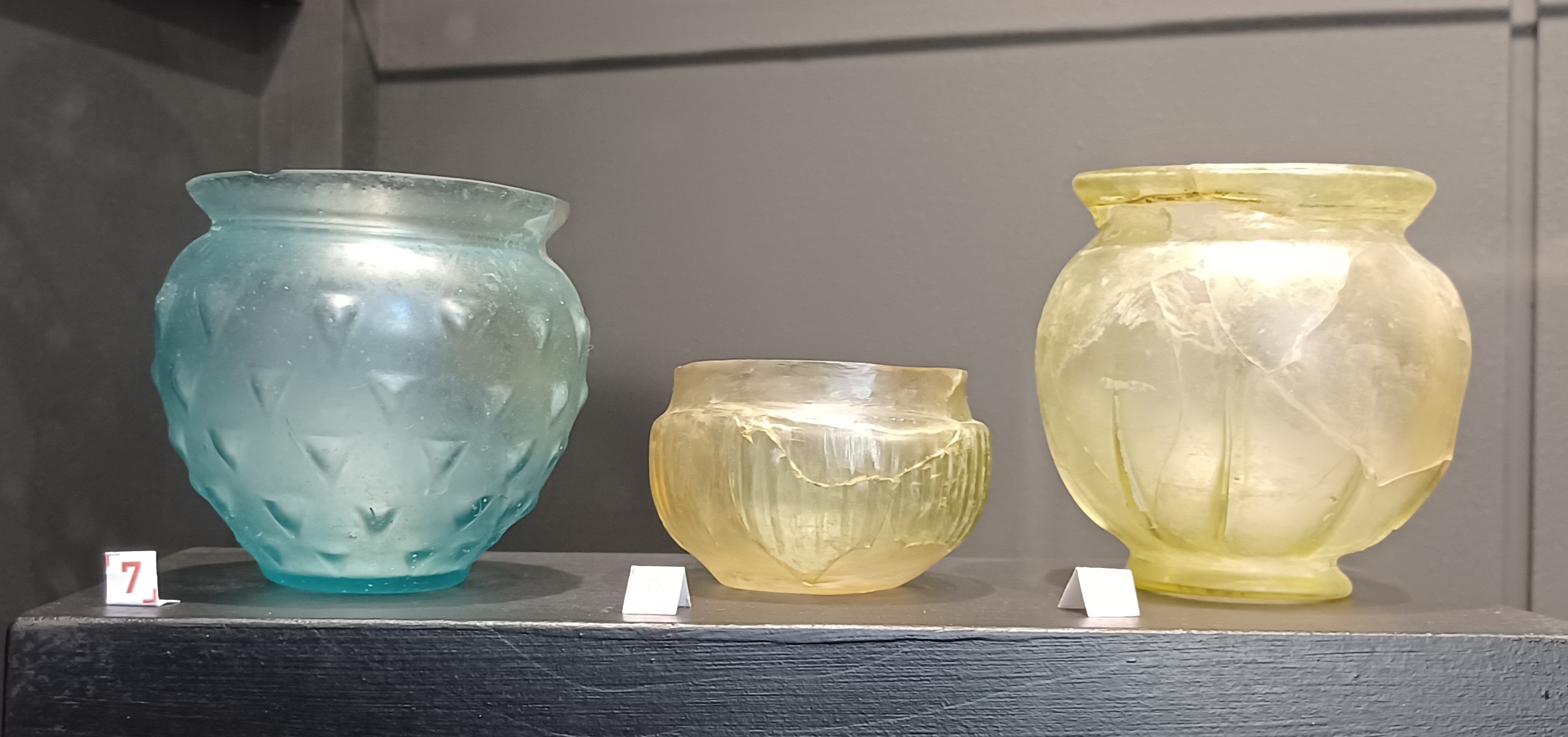

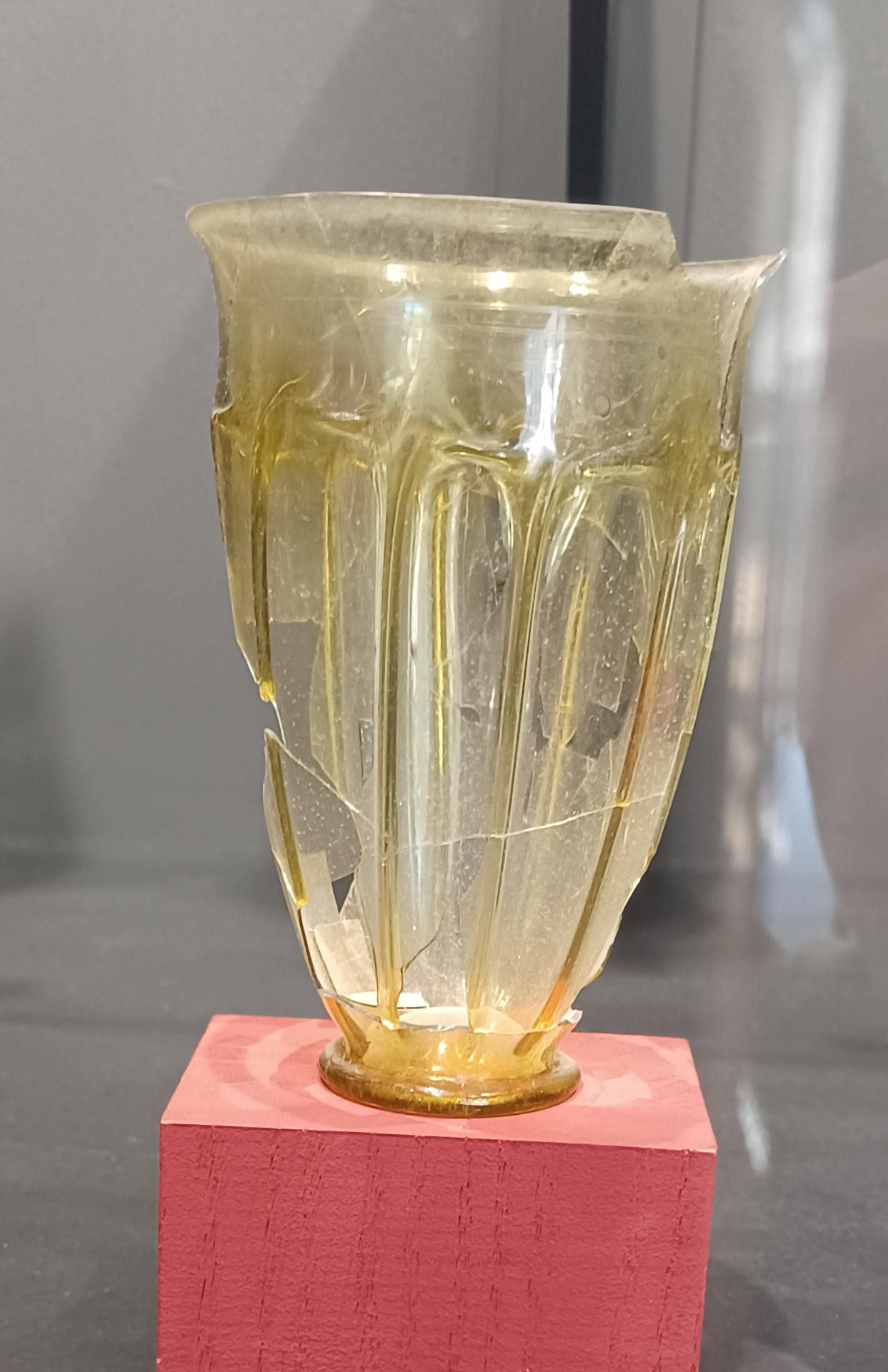
I think I spent less than an hour here, but it was worth every minute, especially in finding out the purpose of the stone cairns, and watching the faces of the docents as their Google searches brought up photos ‘not on the topic they were looking for…” Some things are universal!


Another awesome episode in your travel blog! BTW, I have spent some time down the rabbit hole (or in this case, the frog hole) searching for your “widow frogs” but am stymied, so far. I found a site about the 19 frog species in France, but your little friends hiding the cairns are not among them. (I do hope the improved drainage for the amphitheater does not negatively impact them, but no doubt, someone has taken that into account.) Fond of Frogs!
LikeLike
I’ll have to look for that source again. I thought I had linked it but I guess I forgot!
LikeLike