
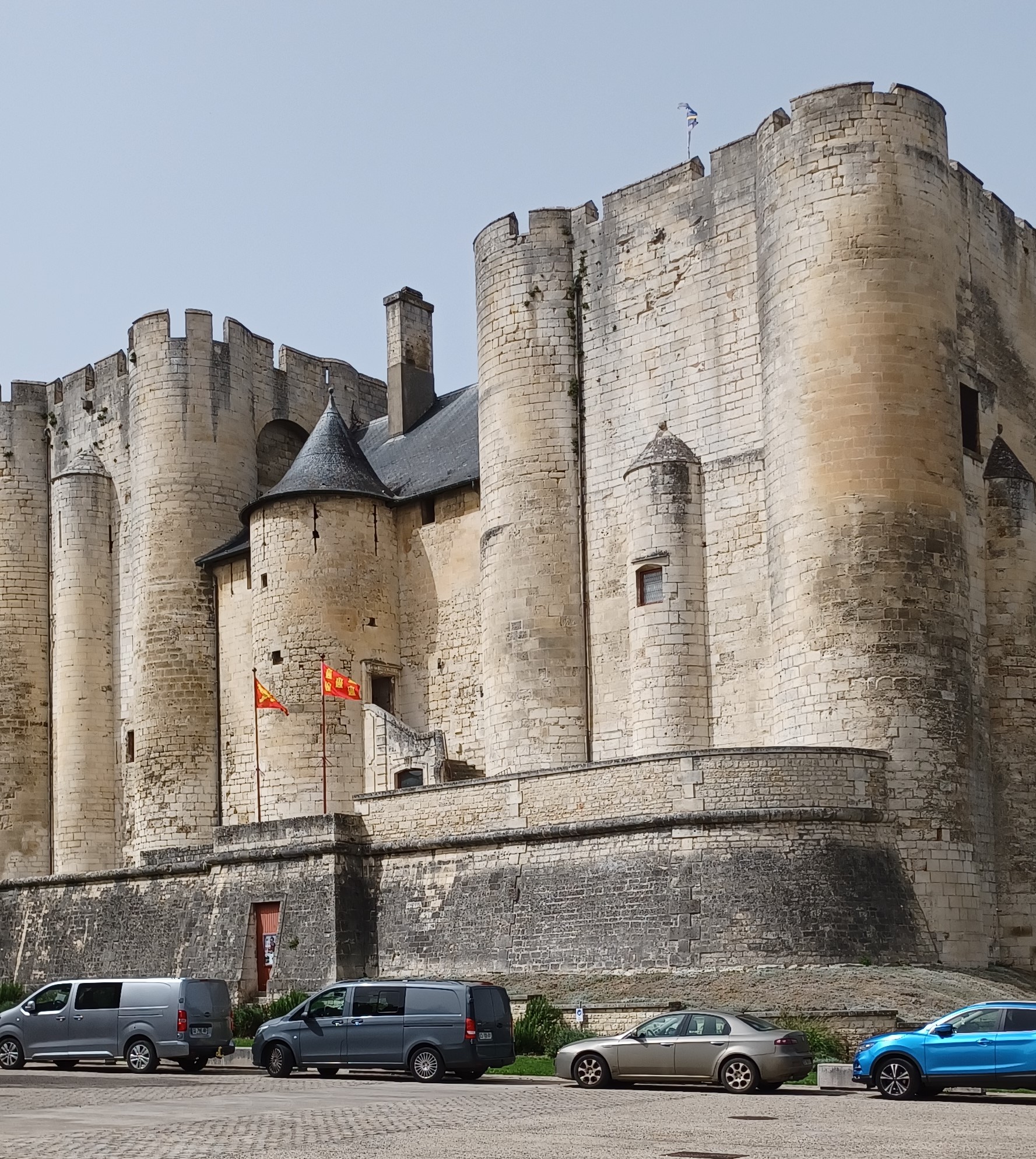
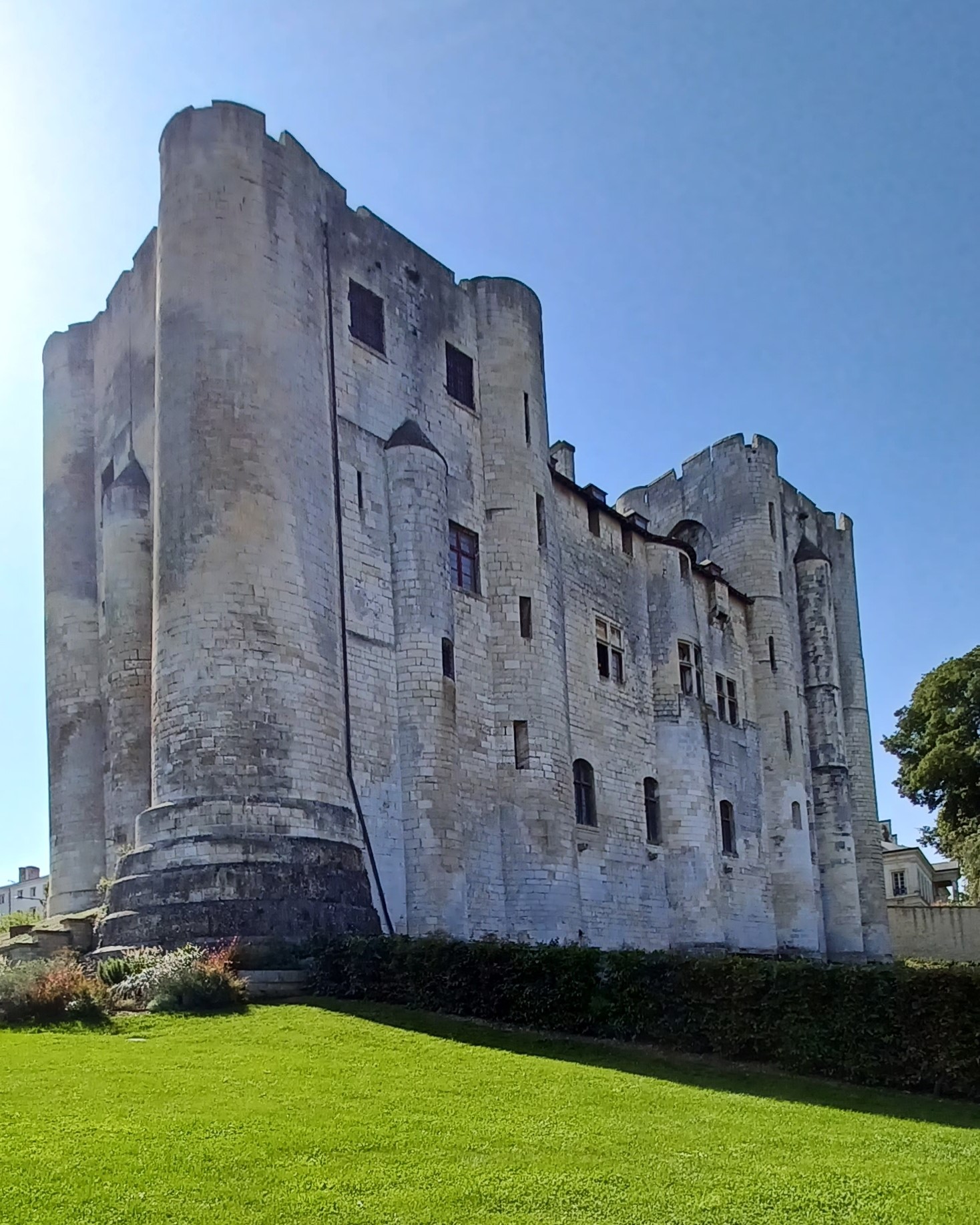
I came to Nantes for the mechanical elephant. I came to Niort for the Donjon, a castle built by Henry II and one of Niort’s most notable landmarks.
King Henry II (husband to Eleanor of Aquitaine) started building his castle in about 1180, it was completed by his son Richard who would become known as the Lionheart. The royal family never lived there, it was built for defense of the city, to store the city’s grain supply, and to control port activity in Niort. By the 15th century it became the governor’s residence. It housed barracks and a prison after the Wars of Religion (1562-98). It was abandoned during the French Revolution, and purchased by the city of Niort in 1791. Restoration began in 1820, and it was declared a historic monument in 1840. It is the last remaining piece of the city’s original fortifications.
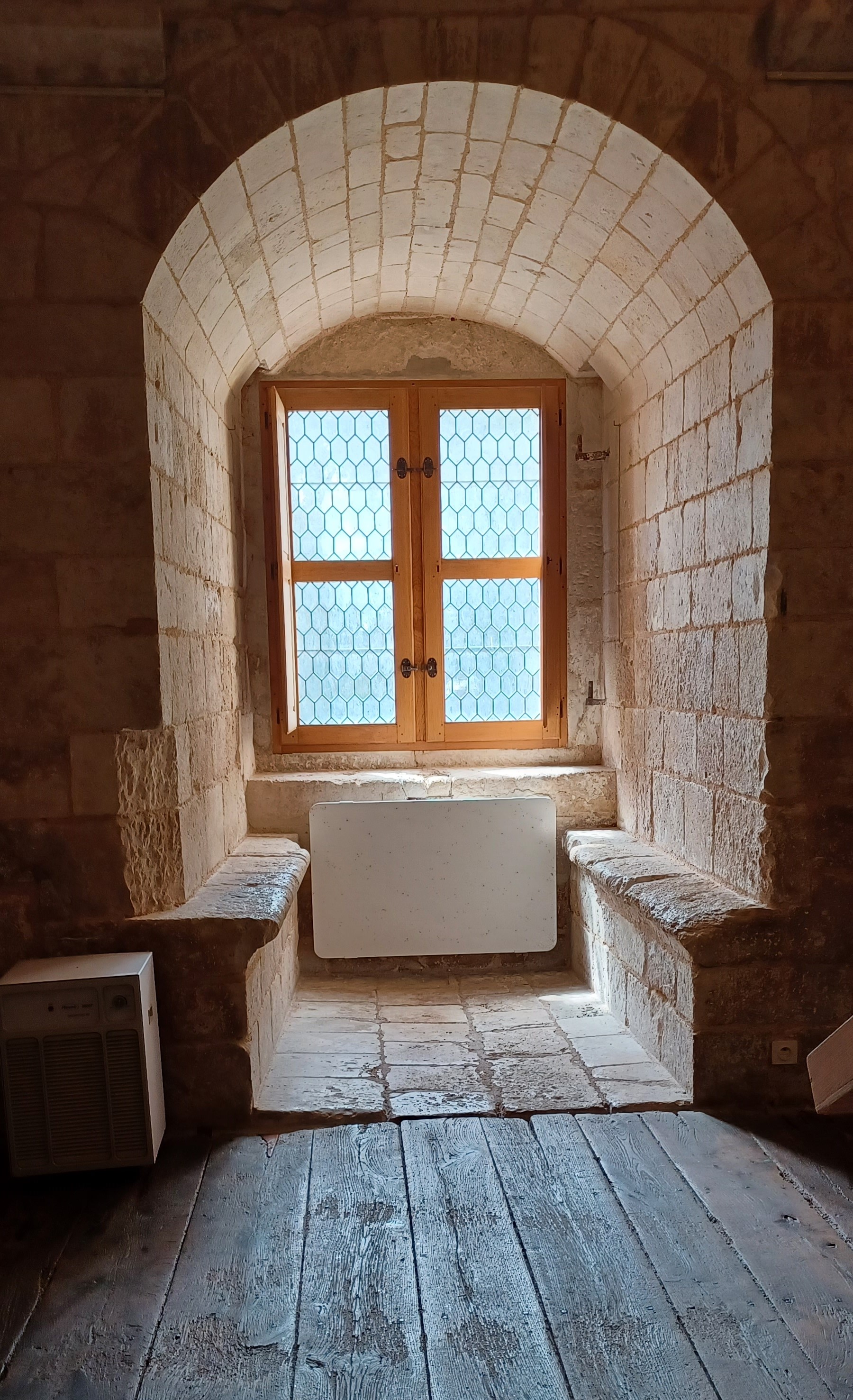
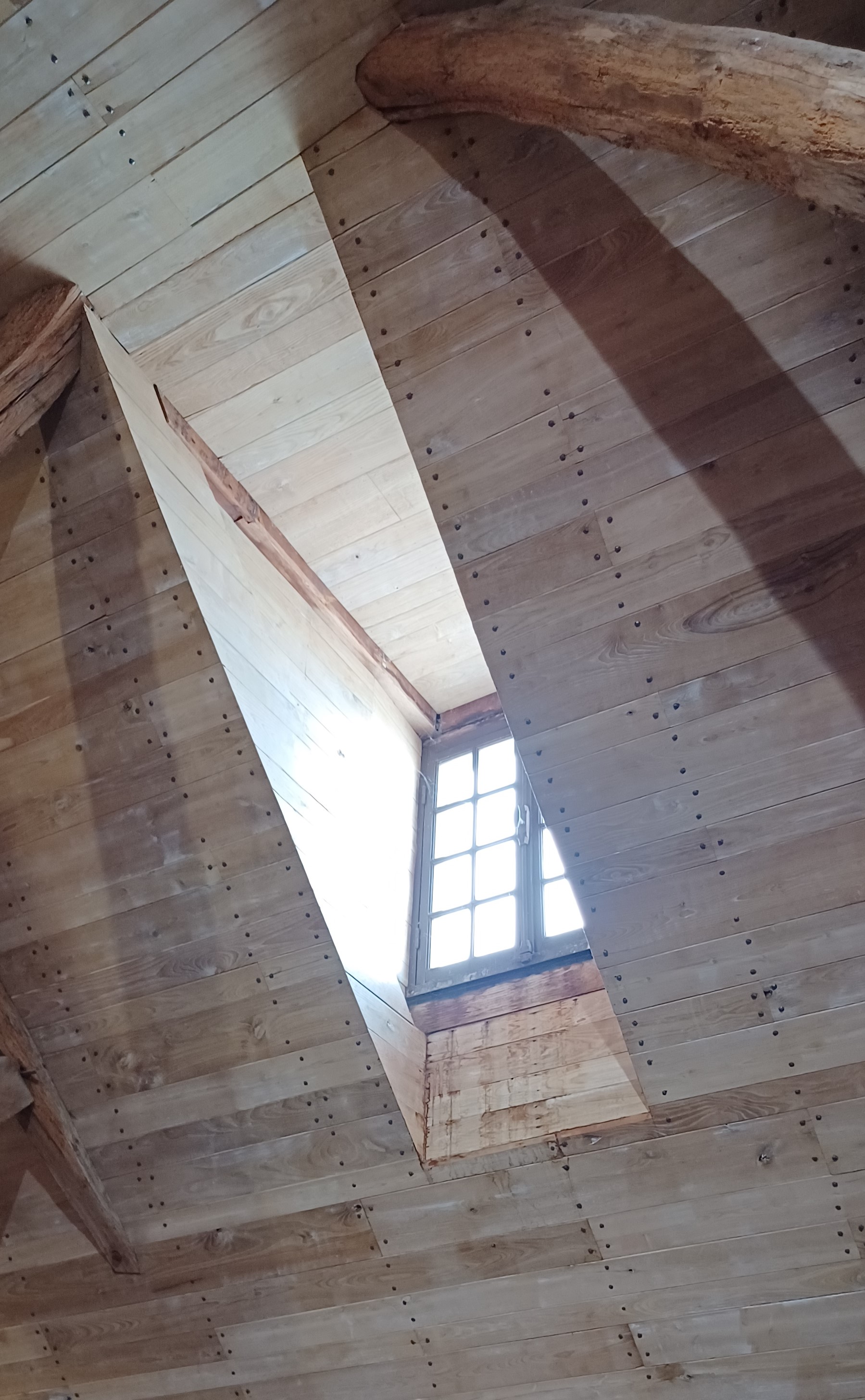
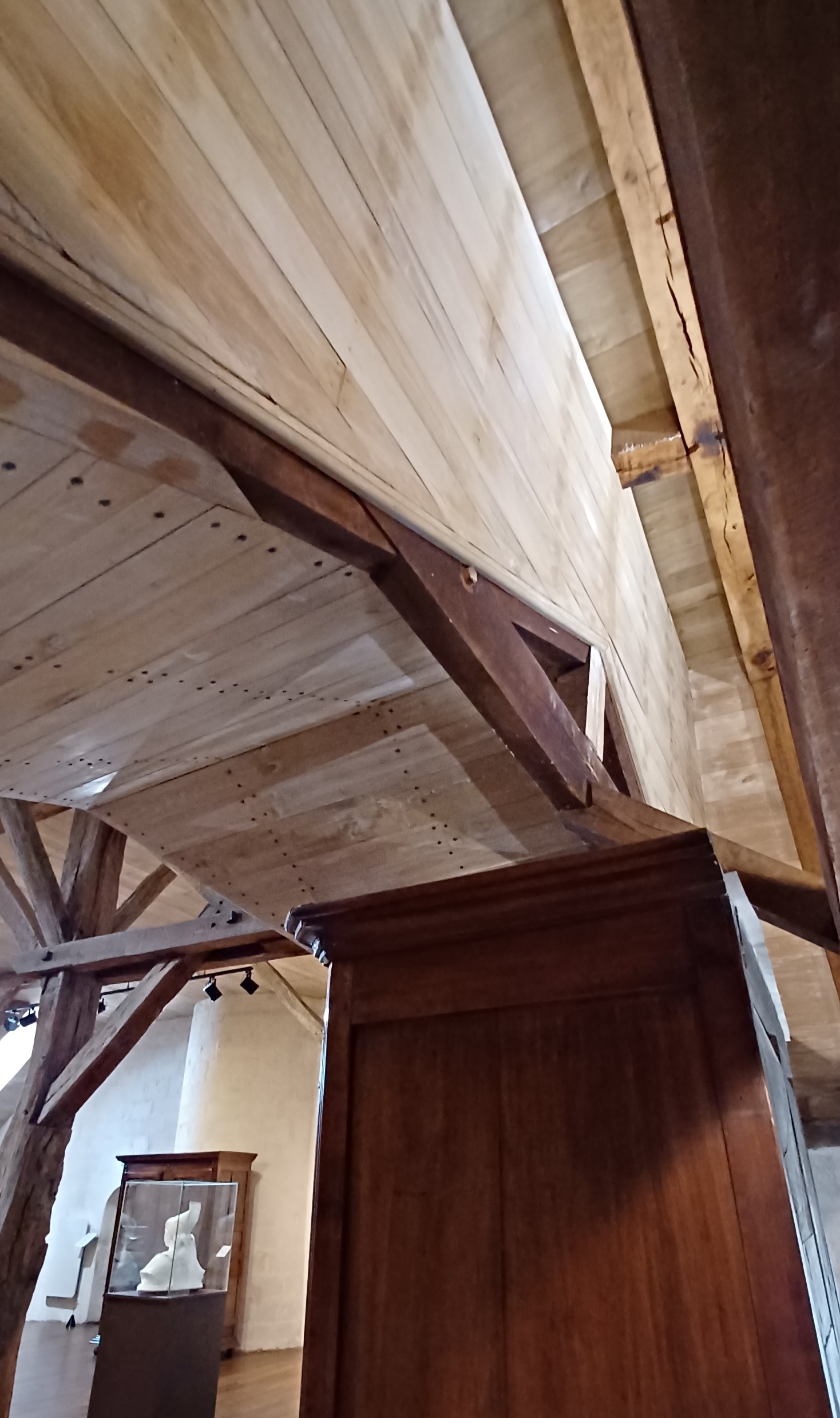
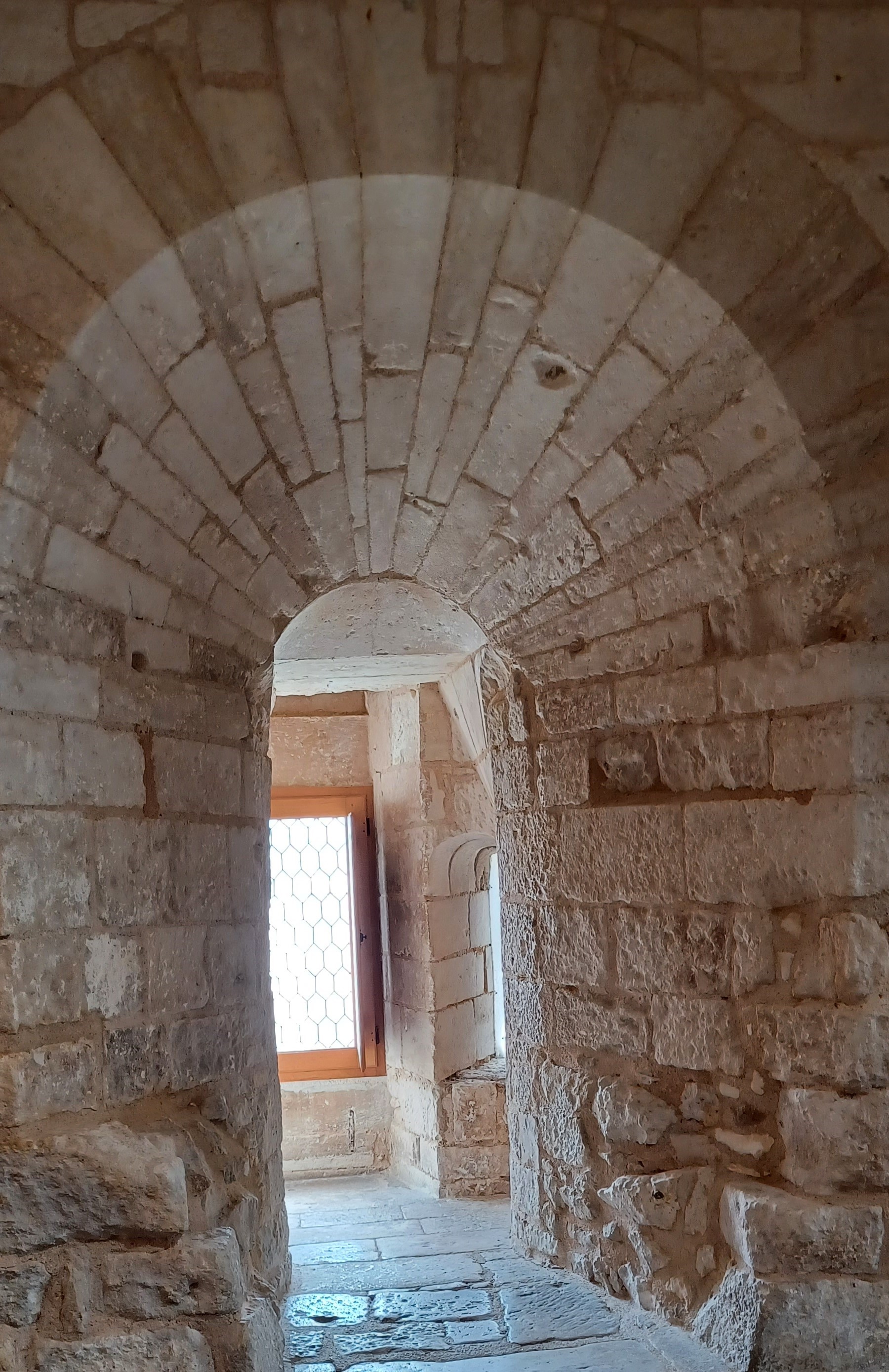
The interior structure had the most interesting support structure I’ve seen so far. The masonry was also pretty impressive.


There were grates to keep people (and pigeons) from accessing some areas. It also had the scariest staircase of the entire trip – worn but very slick stone that felt like marble, and a rope banister that caused me to put my hands on the wall instead in order to assist in a safe descent.


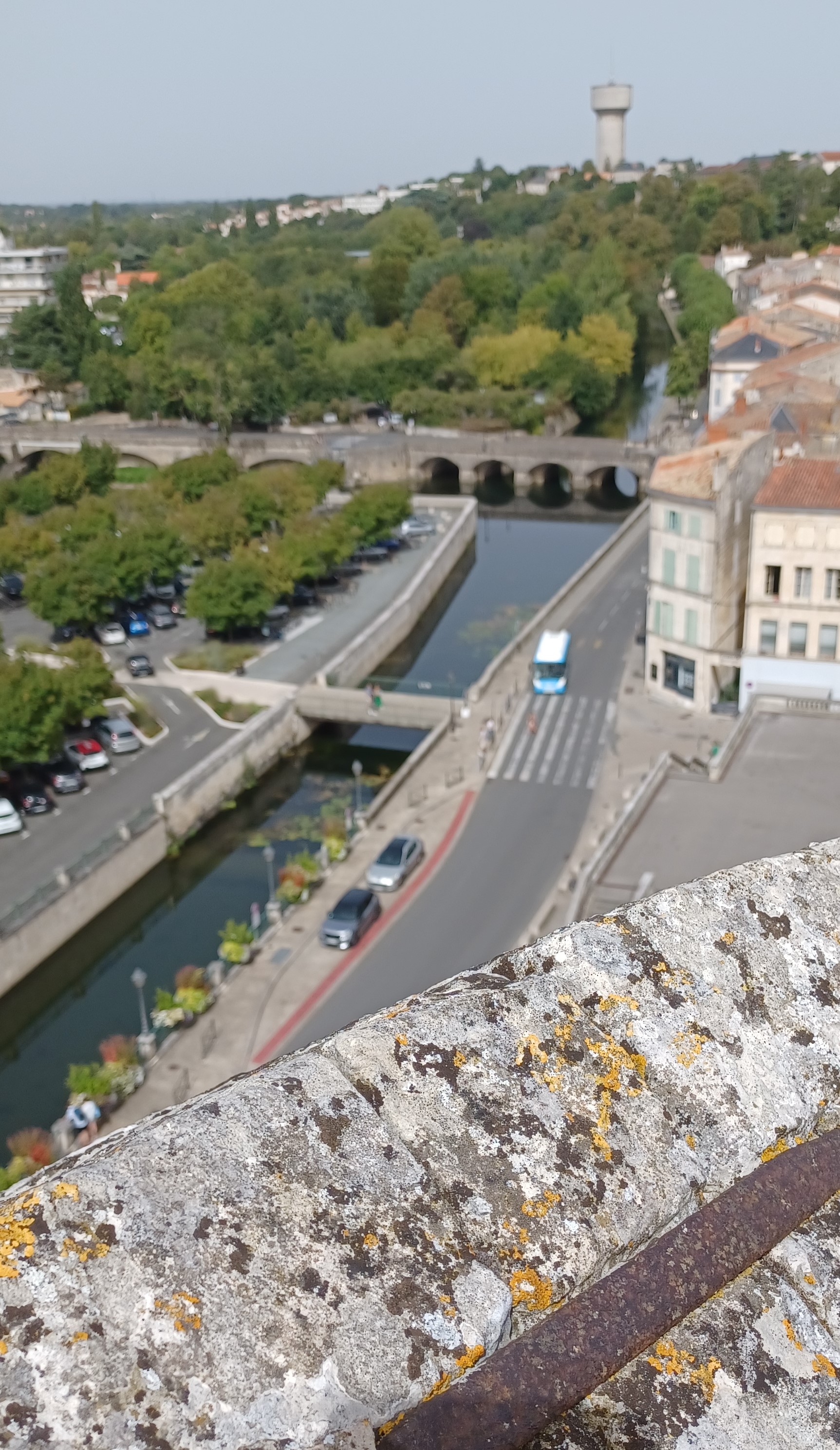
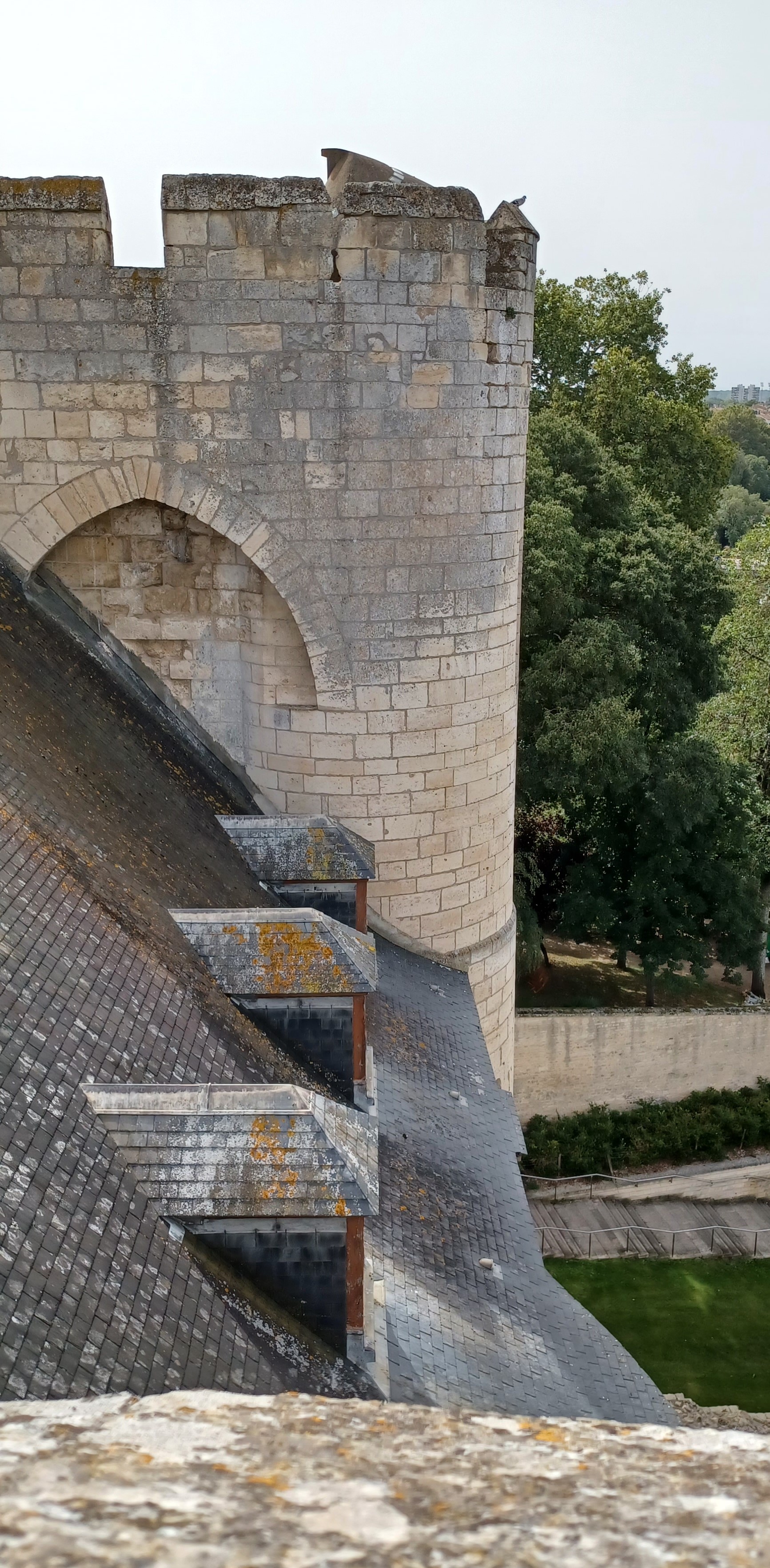
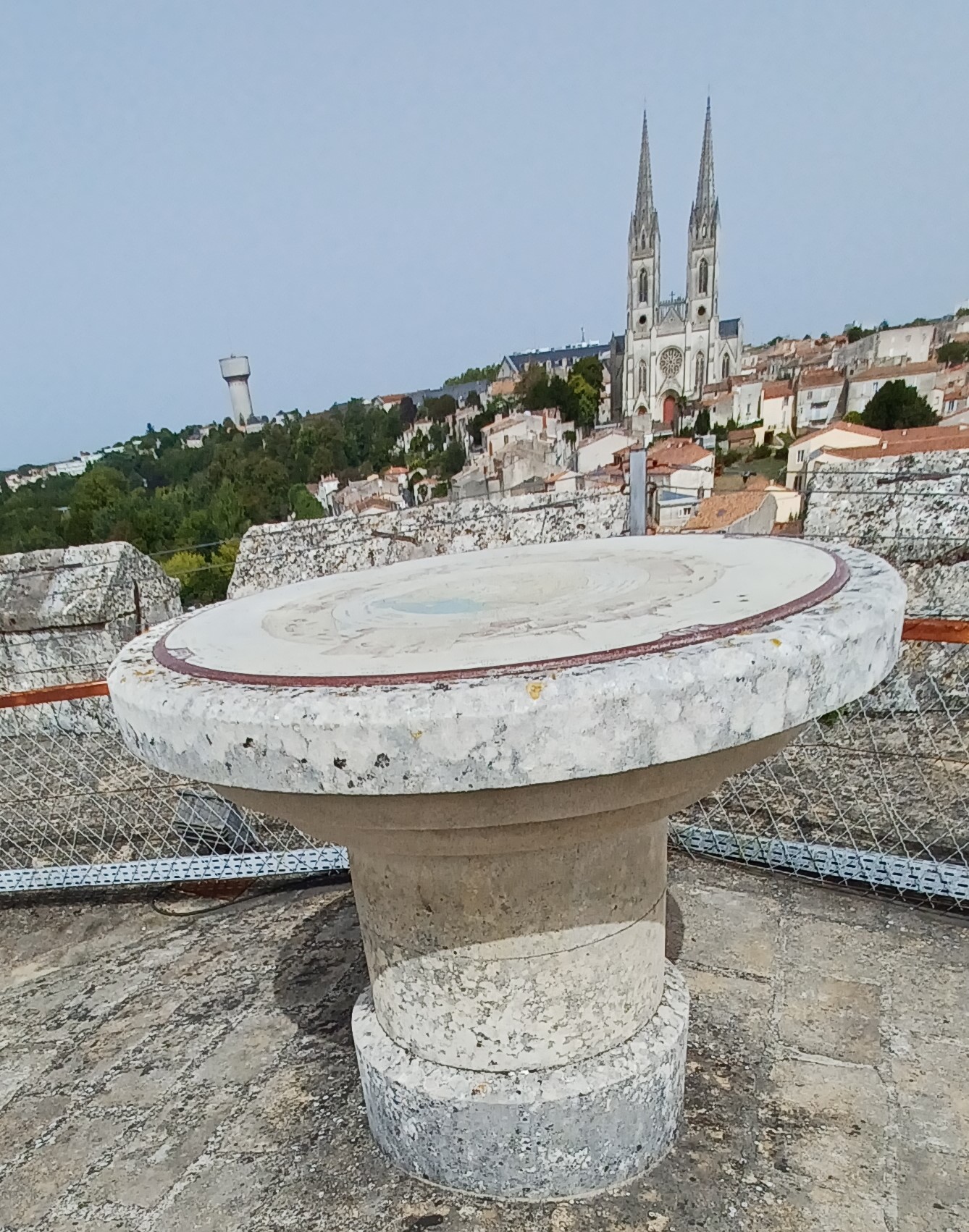
The view from the top is spectacular. I walk the ramparts and gaze out over the city, pretending to be Eleanor of Aquitaine although I’m pretty sure she had never been here. The last photo shows a thing I thought at first was a sundial, but turned out to be a map of the city.



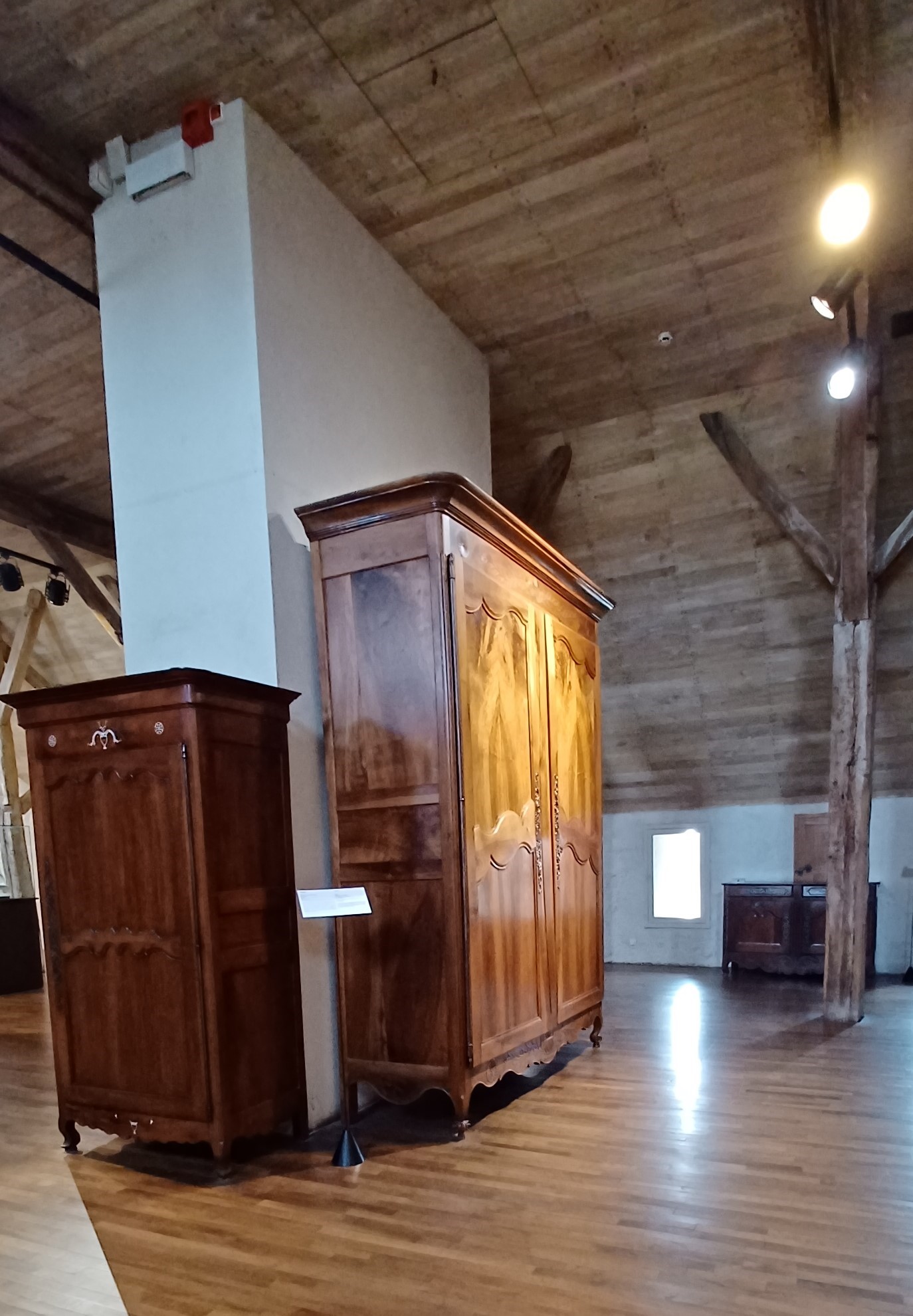
The donjon now houses a museum of traditional furniture from the region, including the largest armoires I have ever seen, dating to about 1830.

There was also a wonderful replica of a 19th century Niort living space that included an interactive video presentation in English.

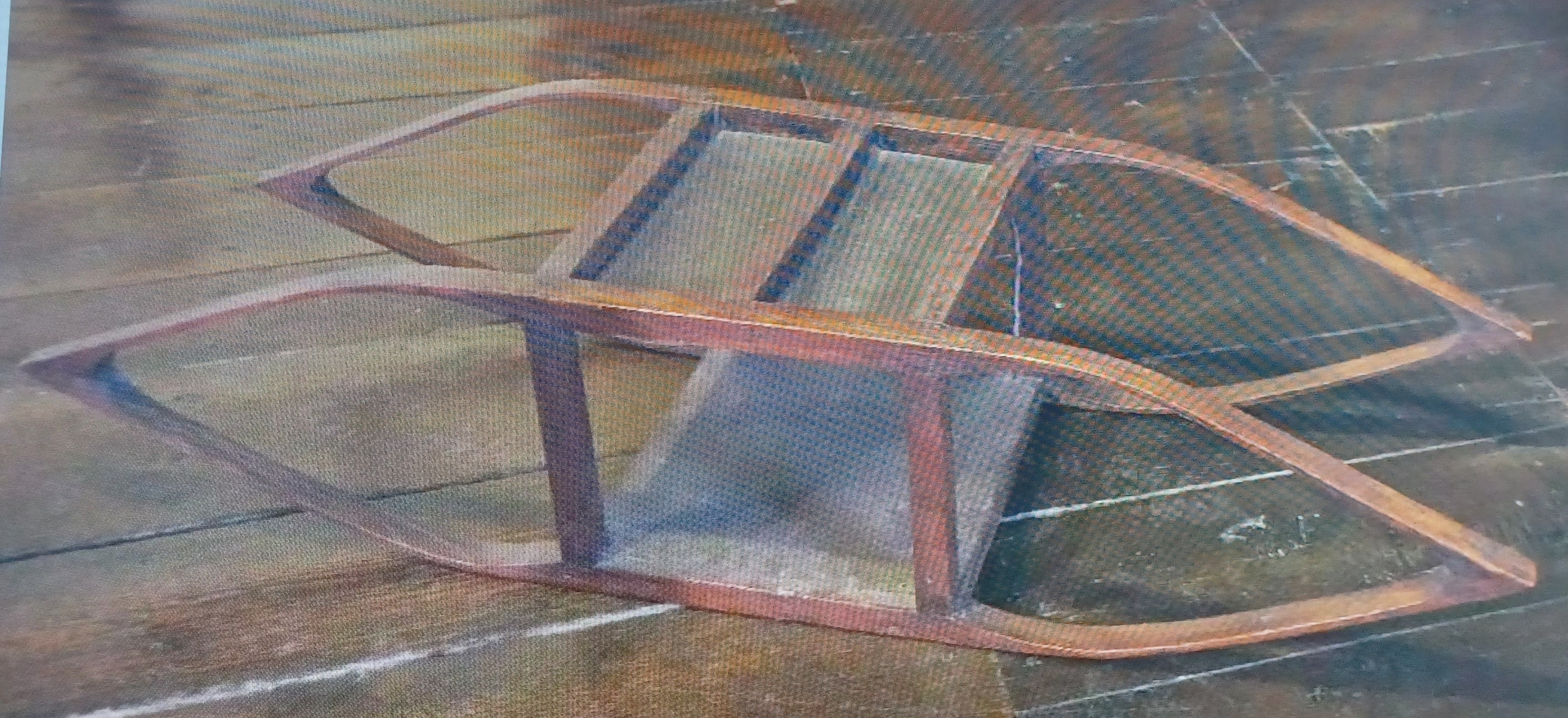
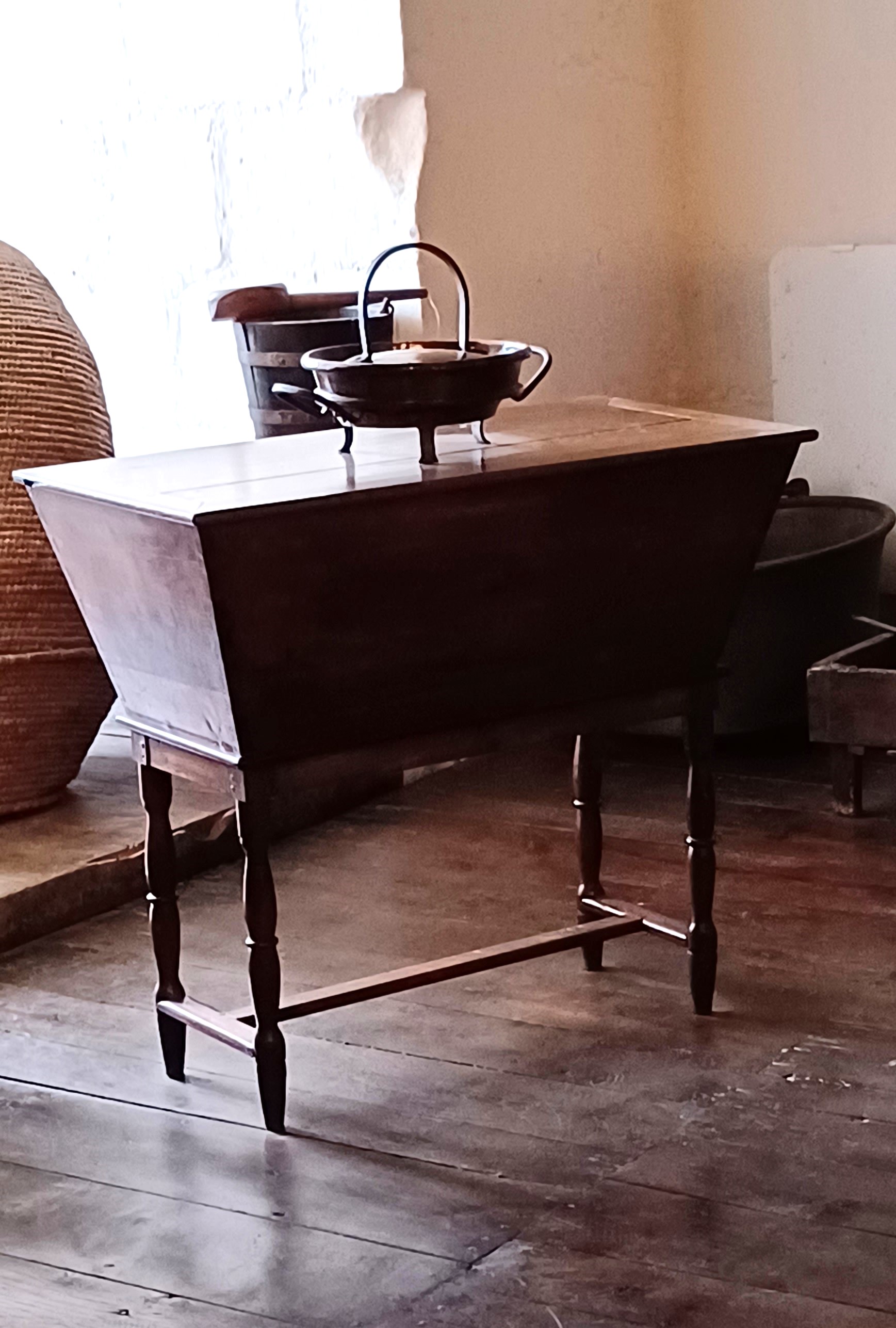
Shown below are some of my favorite pieces: a pumice water filter, a framed bedwarmer called a monk that was used in France up to the introduction of electricity to homes in the early 20th century; a dough box used for kneading bread and allowing it to rest in a warm and draft free area, which aids in its rising.

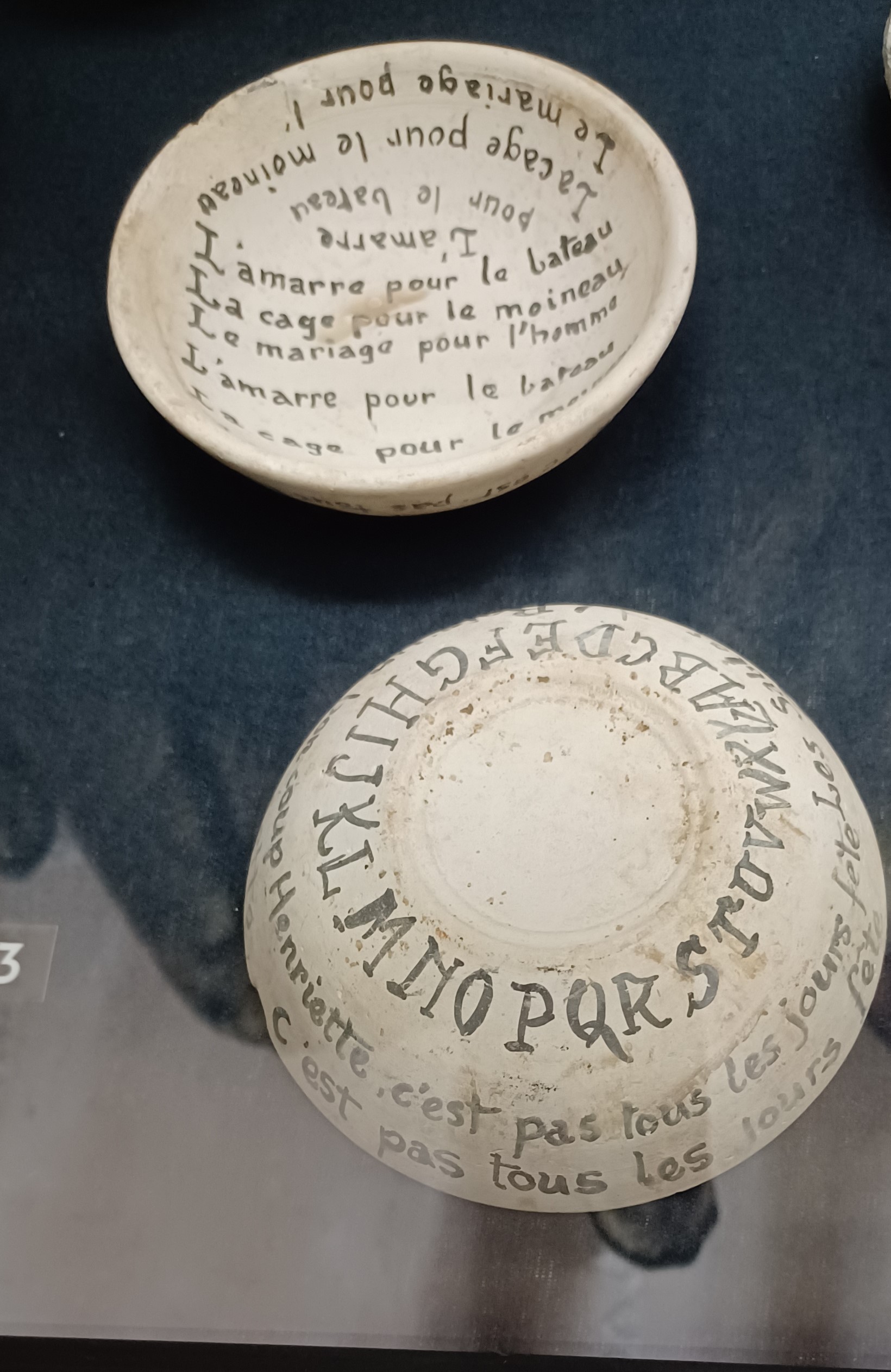
The ethnography displays continued in the bottom level of the donjon with display cases filled with products made from chamois, glass and clay. It also provided me with another look at masonry.
The chamois leather industry in Niort dates back to the 12th century and was most prolific from the mid 1500s to the late 1600s. By the 19th century chamois was being produced for panties, belts and bags for the military. Glove making soon followed. Chamois from Niort was exported to European and American markets by the early 20th century.



Compared to the Donjon, the churches and cathedrals which are ginormous and which stand out against a fairly flat city skyline. I will cover some of those in my next post.

 Daveno Travels
Outstanding! Real castles and stuff! Woot!
LikeLike