
So here I am, justa’ walkin’ down the street, saying “Hey – whose castle is this?”
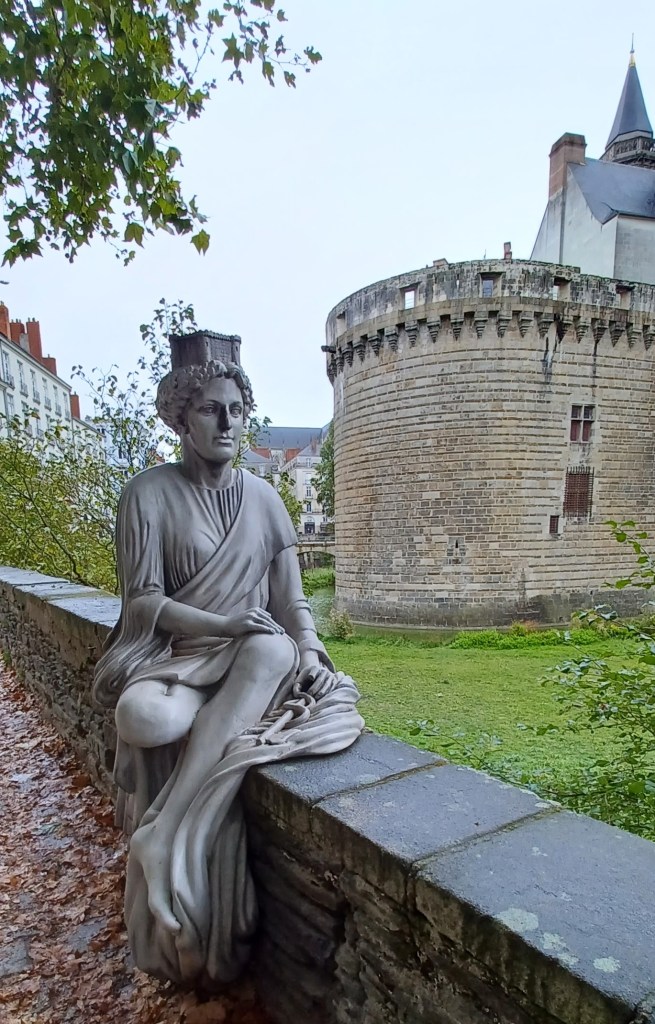
Not far from my hotel, on the tram line, stands the Chateau des ducs de Bretagne, a 15th century castle built by Francois II, the last Duke of Brittany, and his daughter, Anne of Brittany, who ruled twice as Queen of France. What a surprise to find a castle right in the middle of my part of town. It even has a moat!

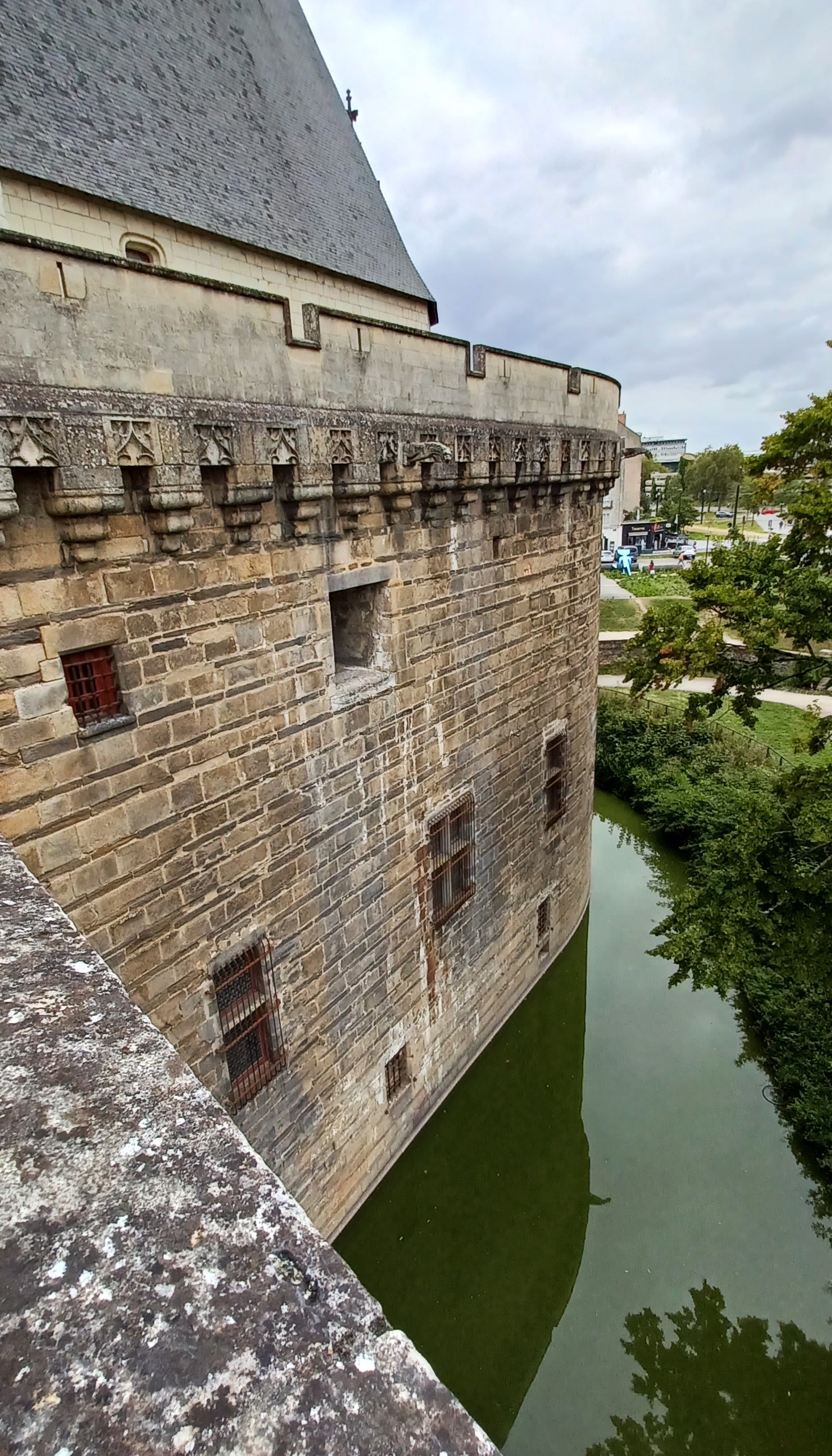
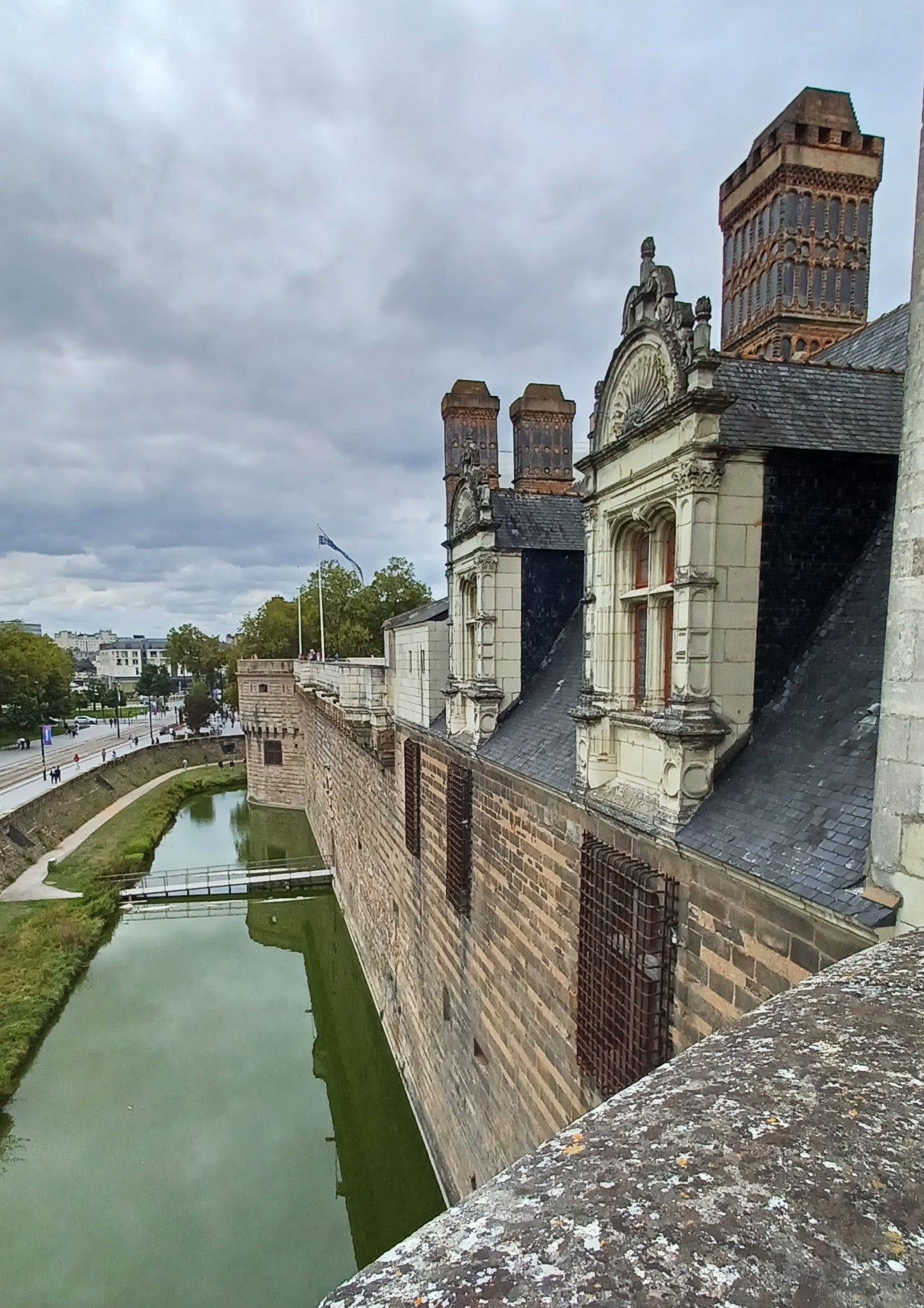
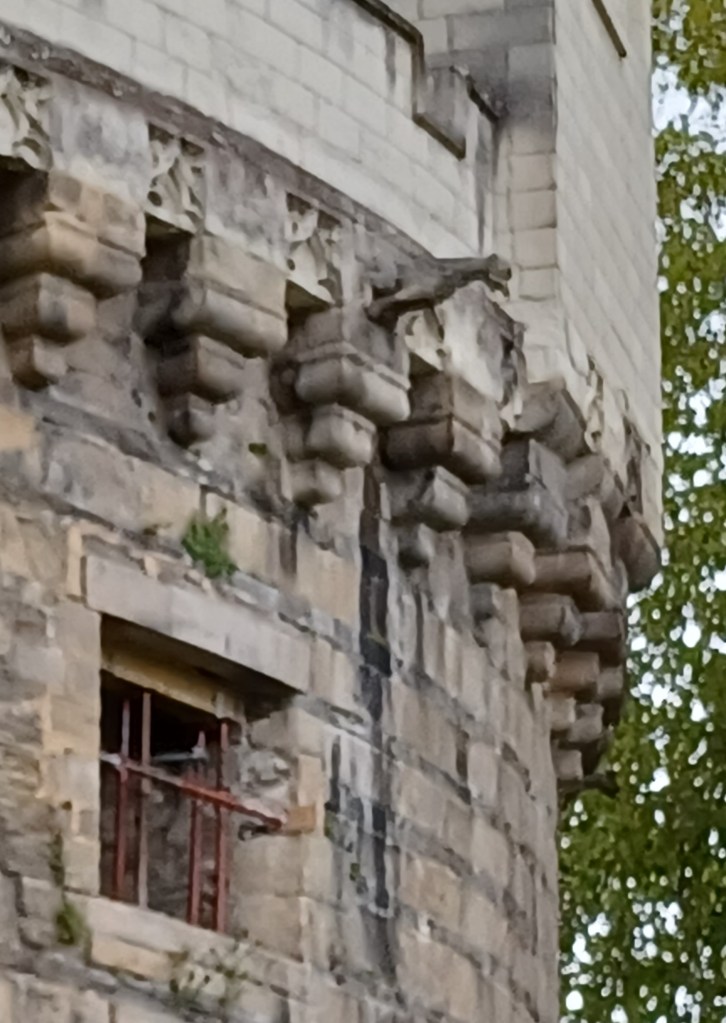
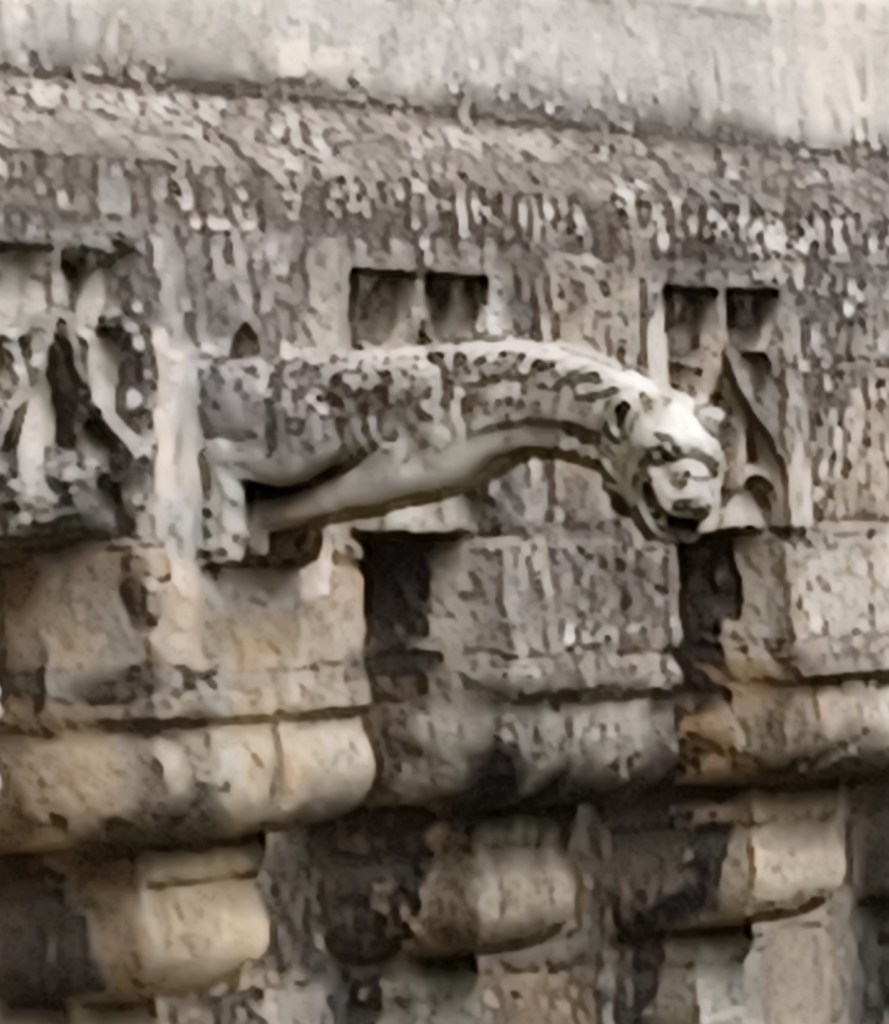
You can wander the courtyard, ramparts and moat areas for free from 8:30 AM-7 PM. Look for the gargoyles!
Anne of Brittany was born here on January 25, 1477. Brittany, with a population of about 1 million, had established itself as a principality, issuing its own currency and referring to themselves as “dukes by the grace of God.” She became a duchess at age 11, queen of France at age 15 by marriage to Charles VIII, widow at age 21, and queen again at age 22 by marriage to Louis XII. She died on January 9, 1514 and was buried in Saint-Denis Basilica, with her heart placed in a crowned, heart-shaped reliquary here; it’s one of the first relics you see when you enter the museum. Duchess Anne is remembered as being instrumental in uniting the principality of Brittany with the kingdom of France.
Views from the inside the walls are nearly as spectacular. Many of the buildings appear to be currently used for administrative purposes.
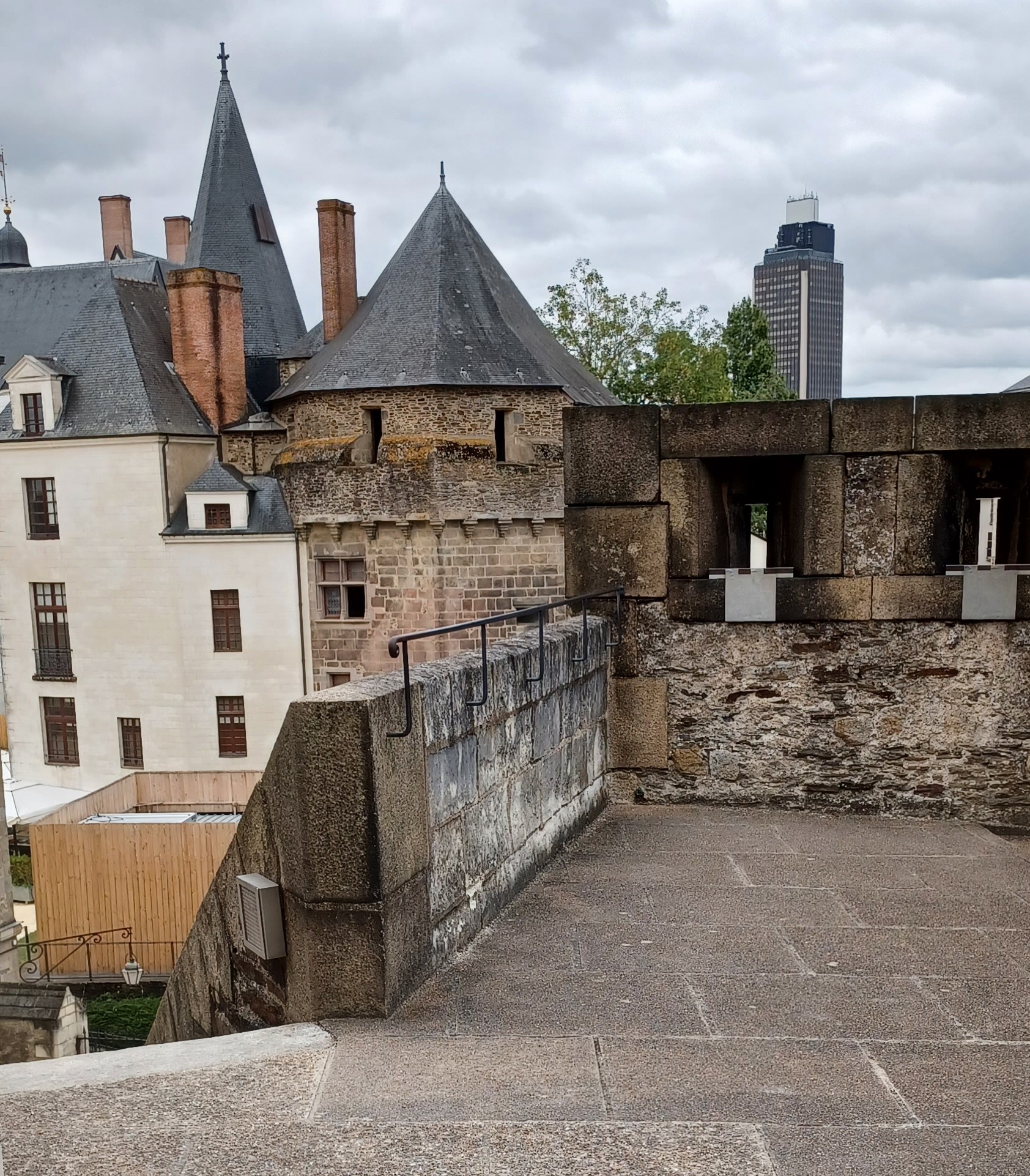
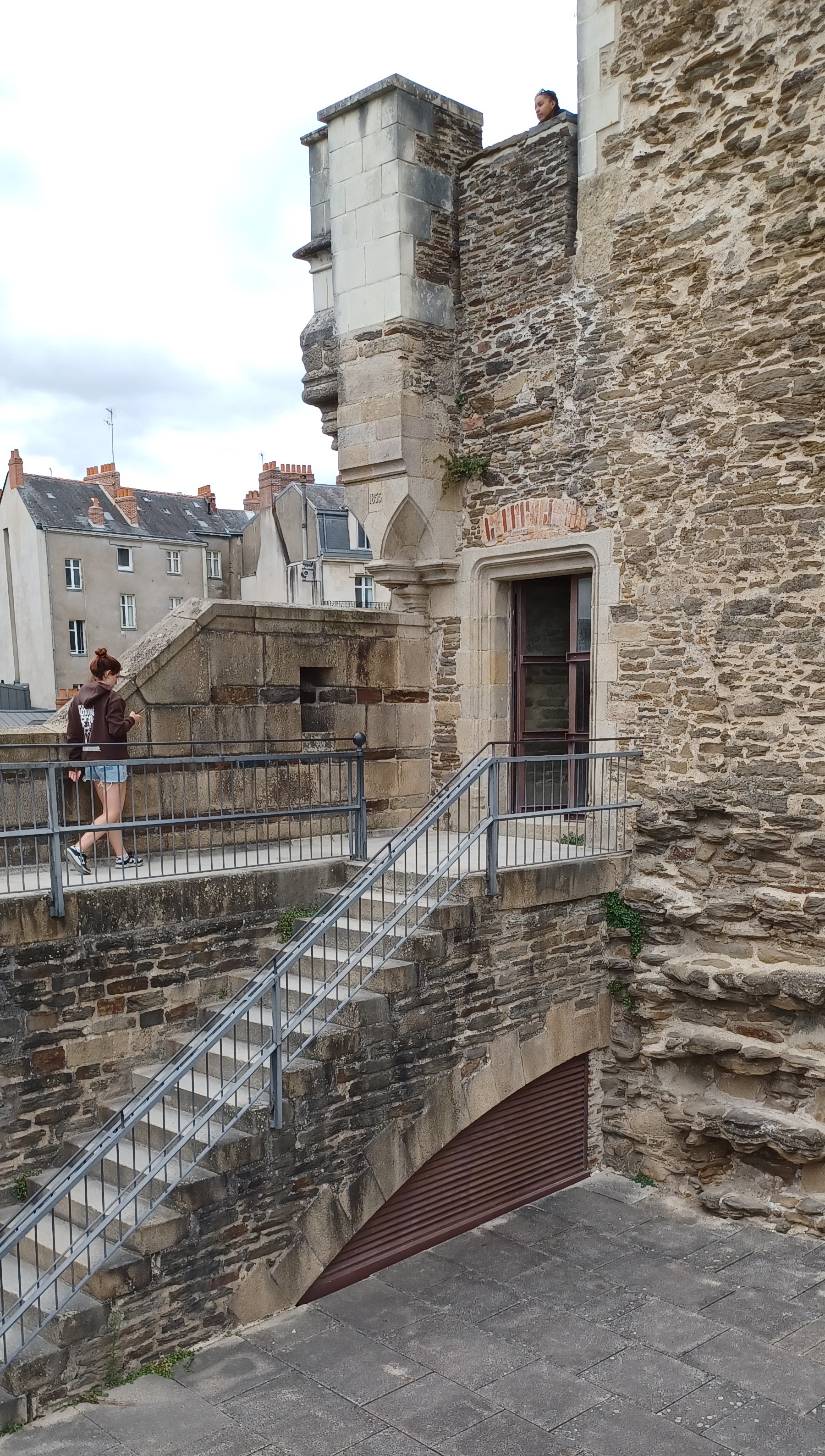

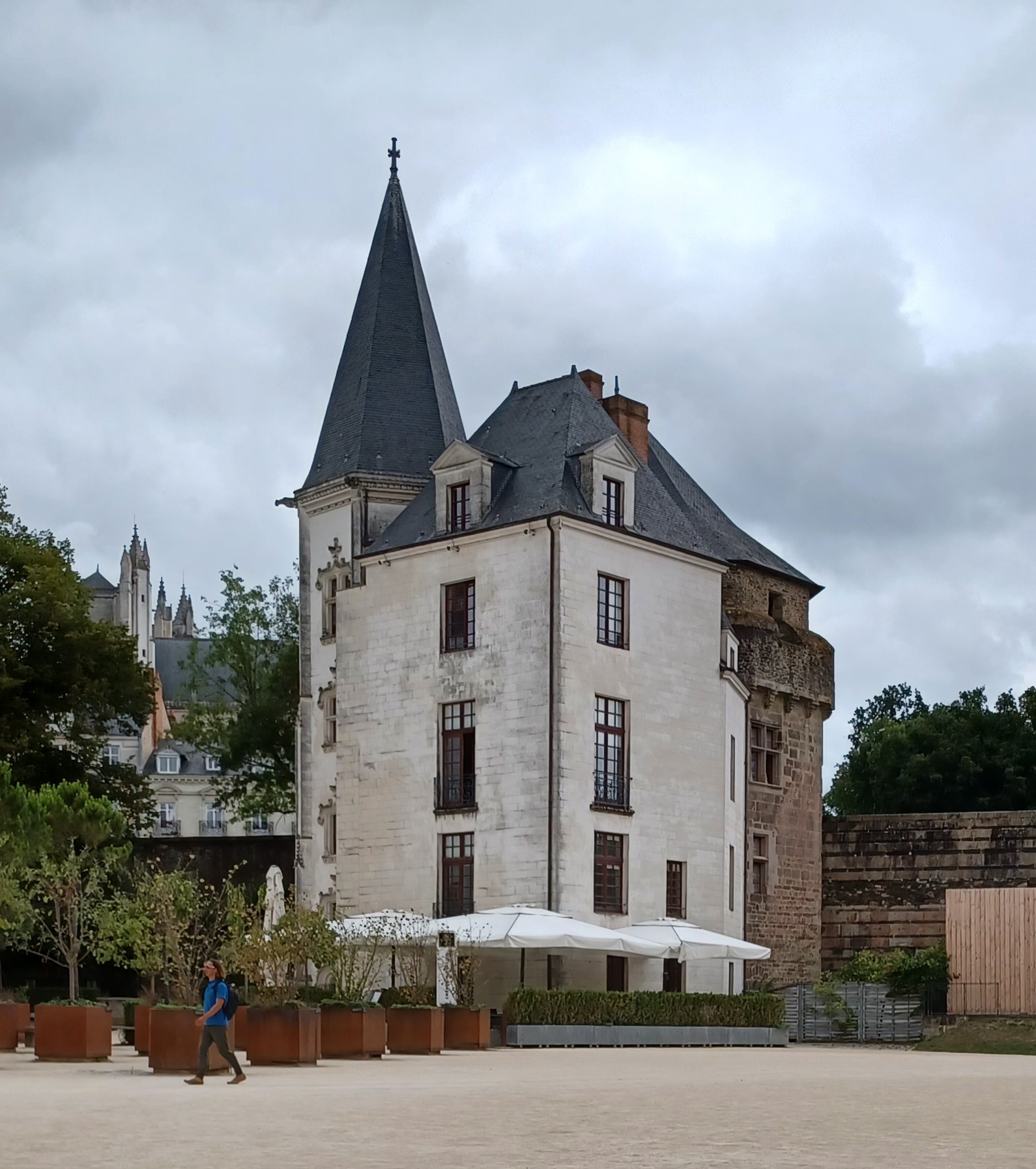

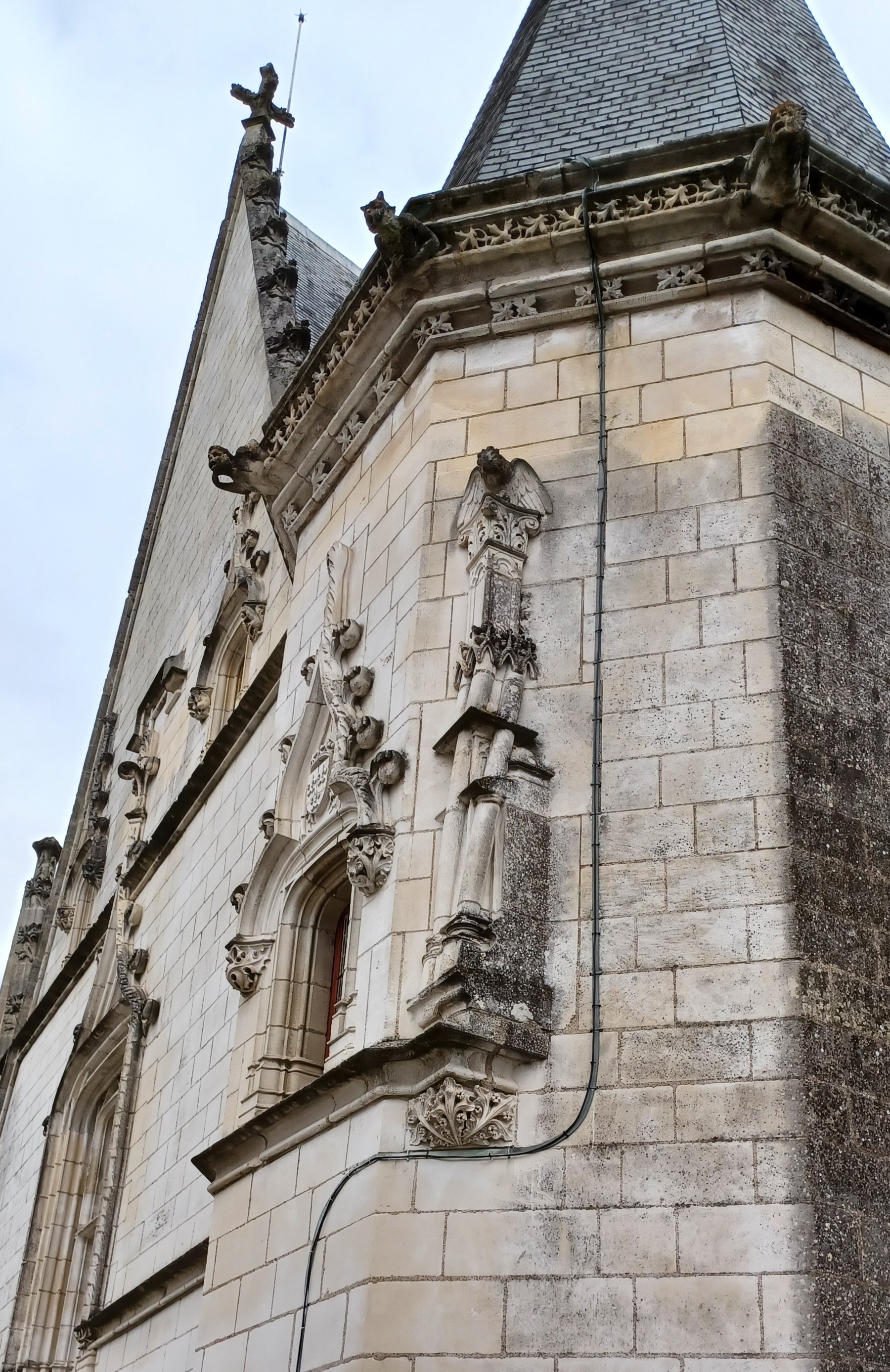

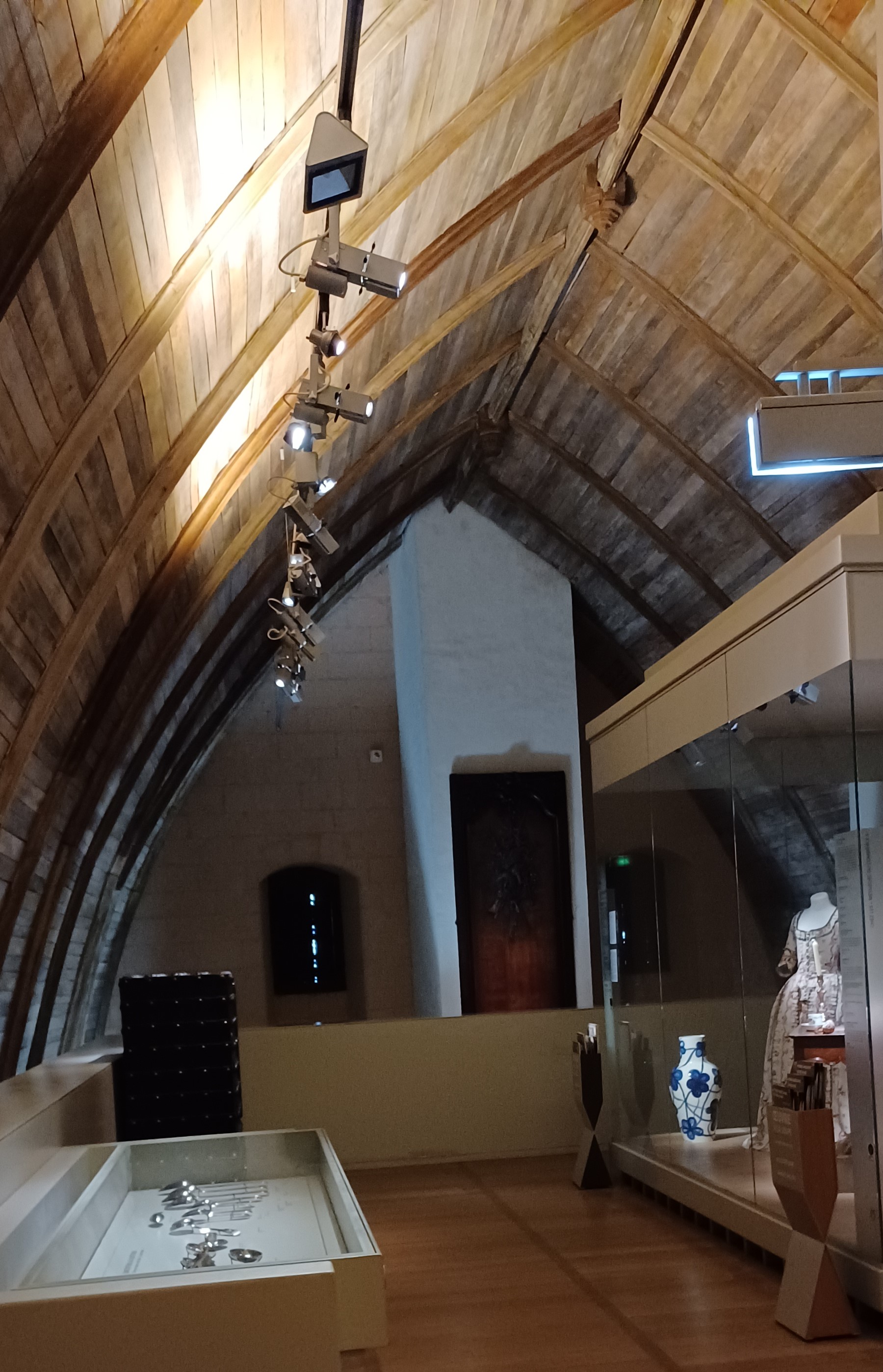
The chateau houses the Musee d’Histoire – 32 rooms covering eight centuries of Nantes history. It takes about 3 hours if you visit every room, which I did not. I missed two floors for lack of taking the elevator. I also could not tarry long in the rooms with wooden ceilings; the mold count in the city was very high yesterday, and these rooms exacerbated my ability to breathe.


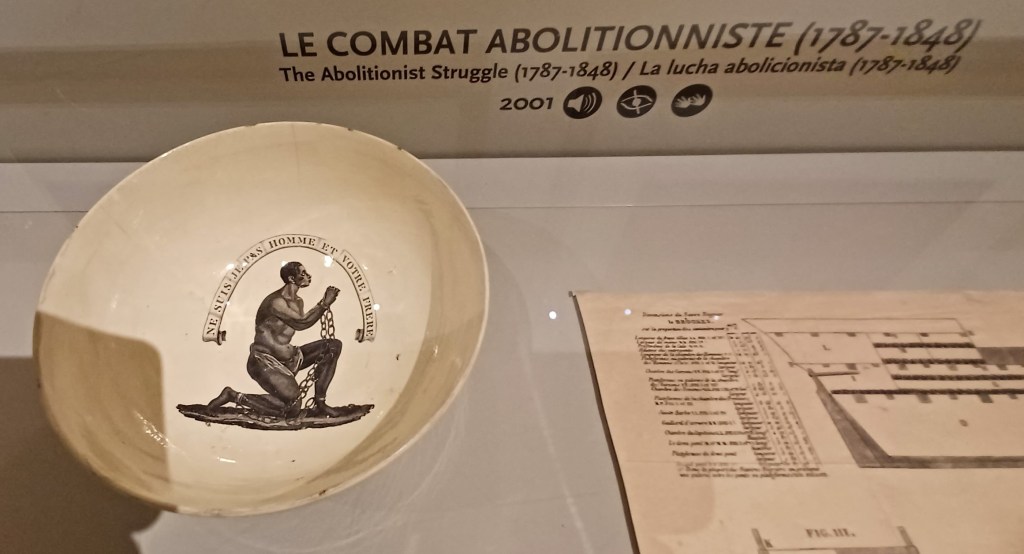
I learned about France’s involvement in the Trans-Atlantic slave trade – a subject I was painfully unaware of. France ranked third in human exports behind Portugal and England. Nantes (and I would later discover La Rochelle) were the top two ports in France for the export of human cargo to the Americas and the French West Indies. Between 1701 and 1711, 75% of the French slave trade set sail from Nantes. Between the 16th and 19th centuries, Nantes derived most of their wealth from two sources – Africa and America. Ship owners in the Feydeau district lived in mansions paid for by the trade of these “moveable assets” and the import of New World commodities such as sugar, coffee, indigo, cocoa, tobacco and cotton.
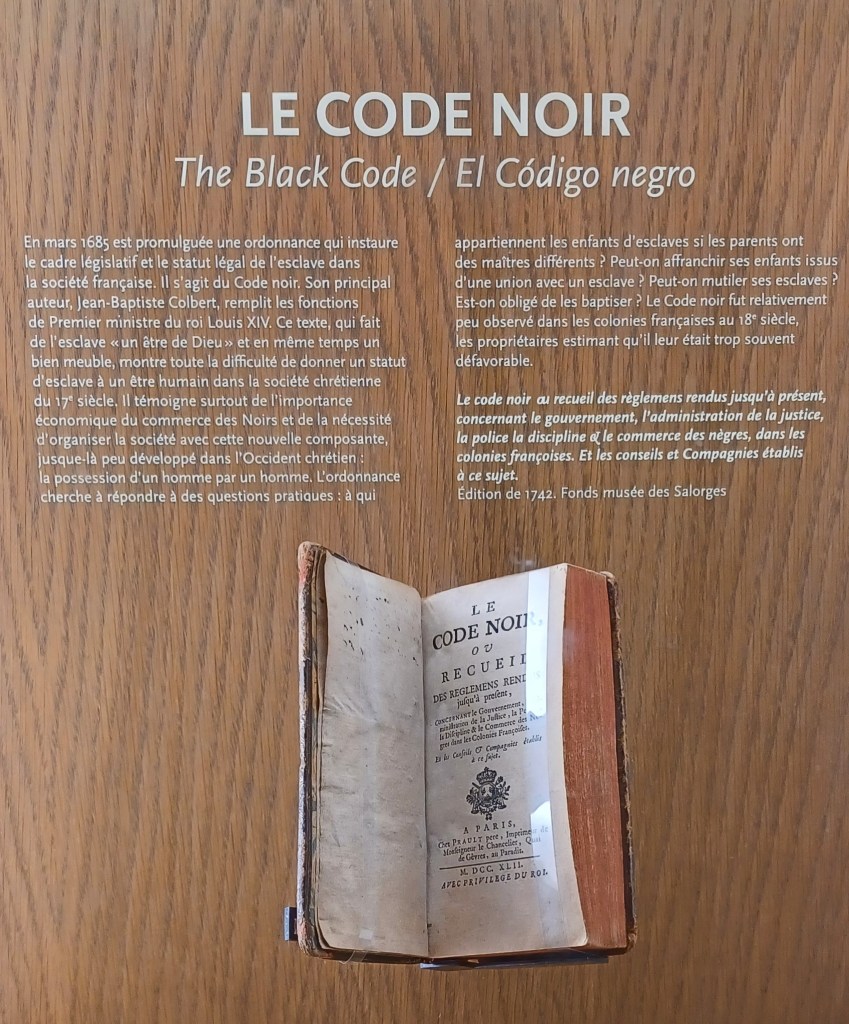
In 1685, Louis XIV signed an edict known as The Black Code, containing 60 legal texts overseeing the administration of justice in the French Caribbean, and the control and trade of Negroes and slaves in those areas. Additional regulations were added as late as 1825. The entry in my copy indicates that slavery was abolished in France in 1848. I would learn later on in this trip that France went through Abolition twice…
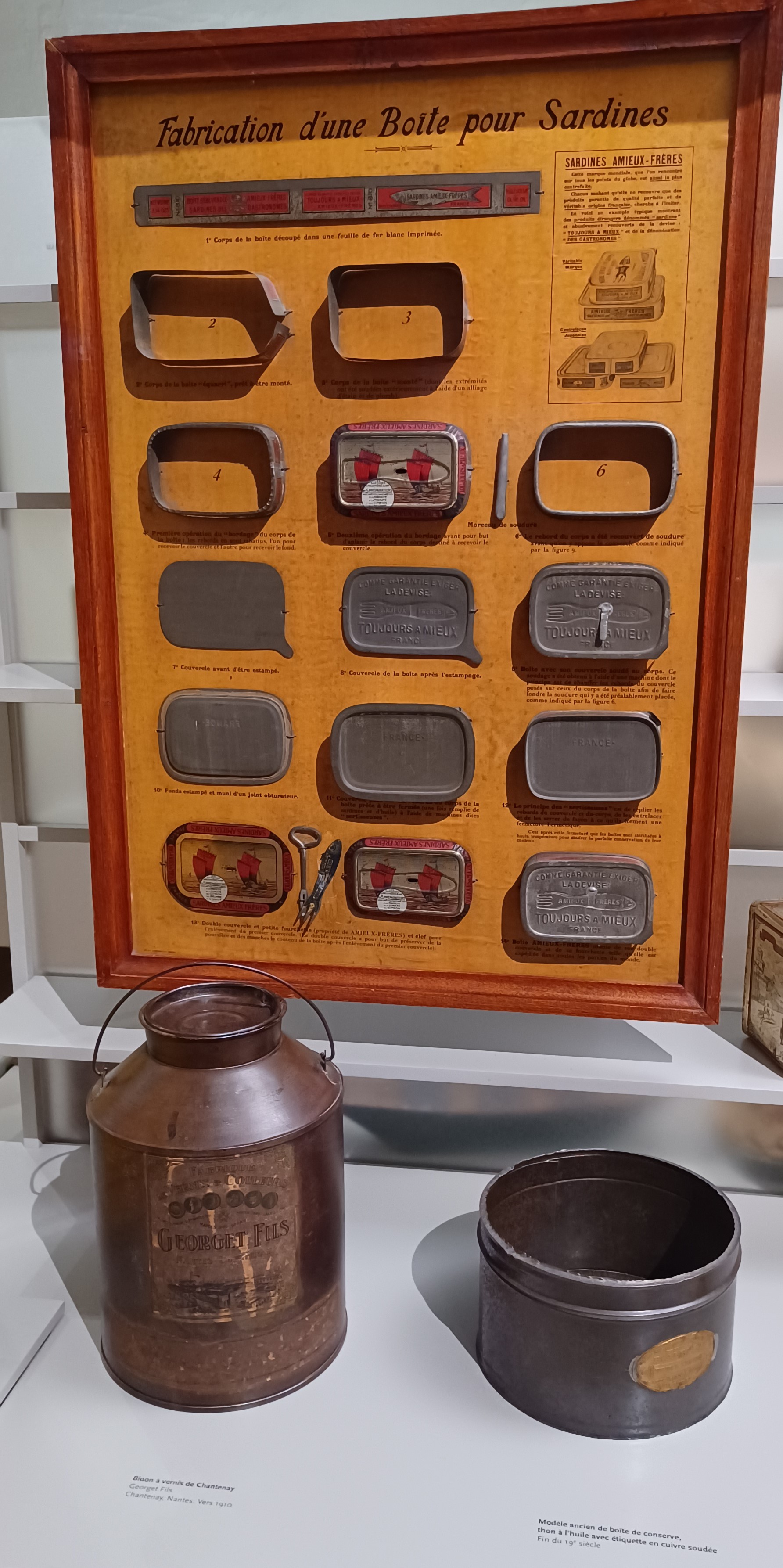
In about Room 21, I found some fun artifacts from the Industrial Age (1815-1914) including a biscuit roller displayed with packages of biscuits from the period (we call them cookies in the U.S.) and a display of canned goods.

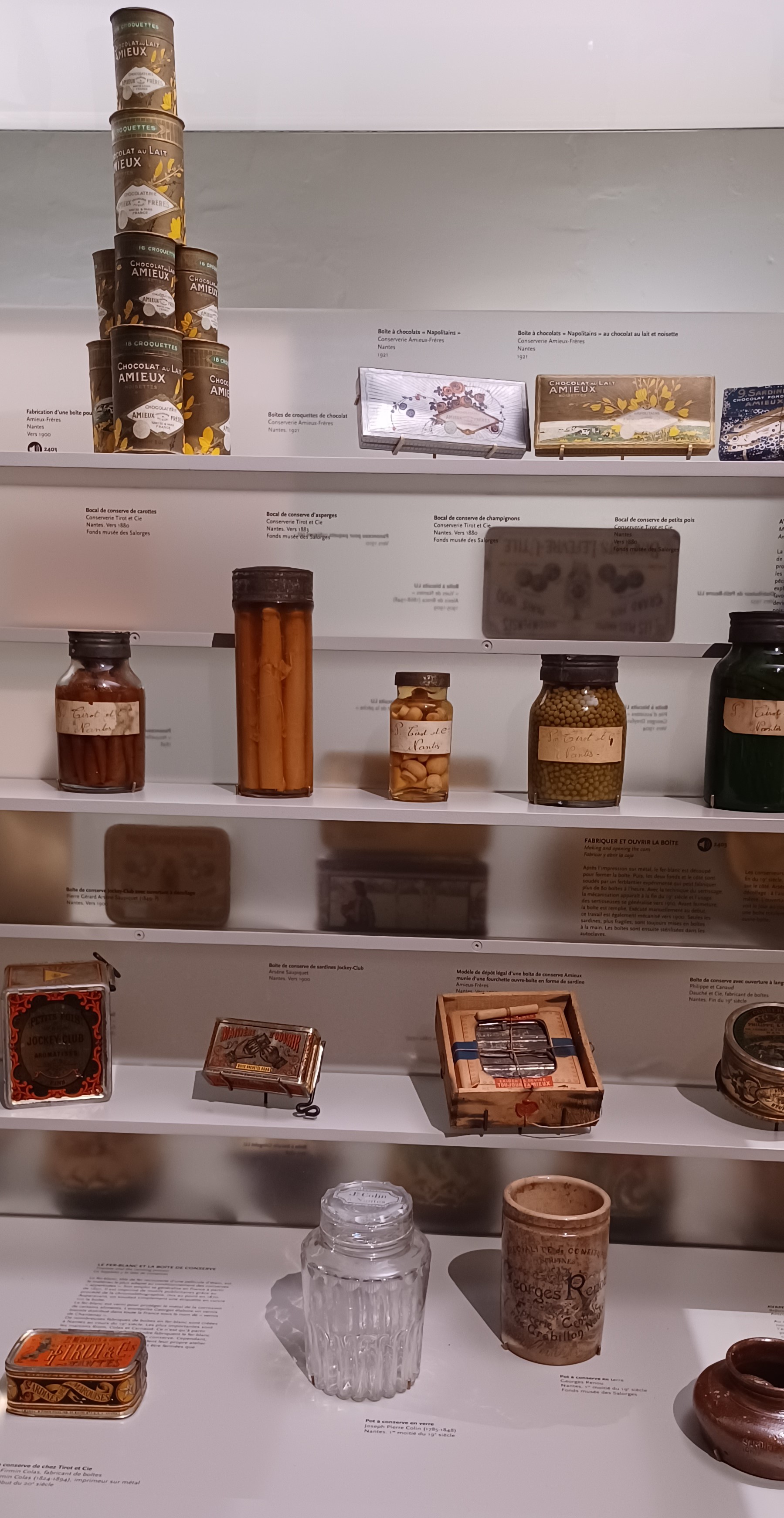
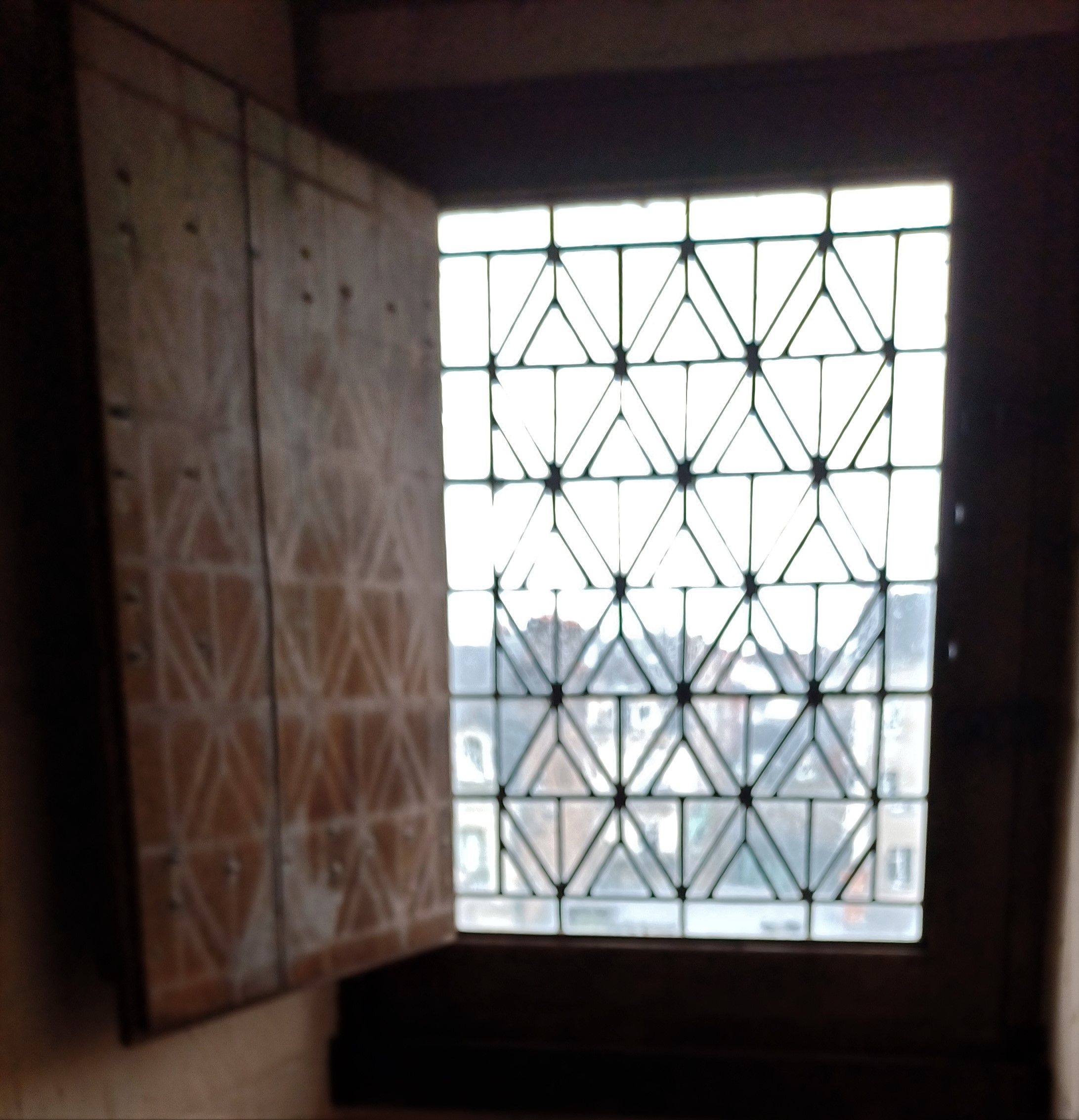
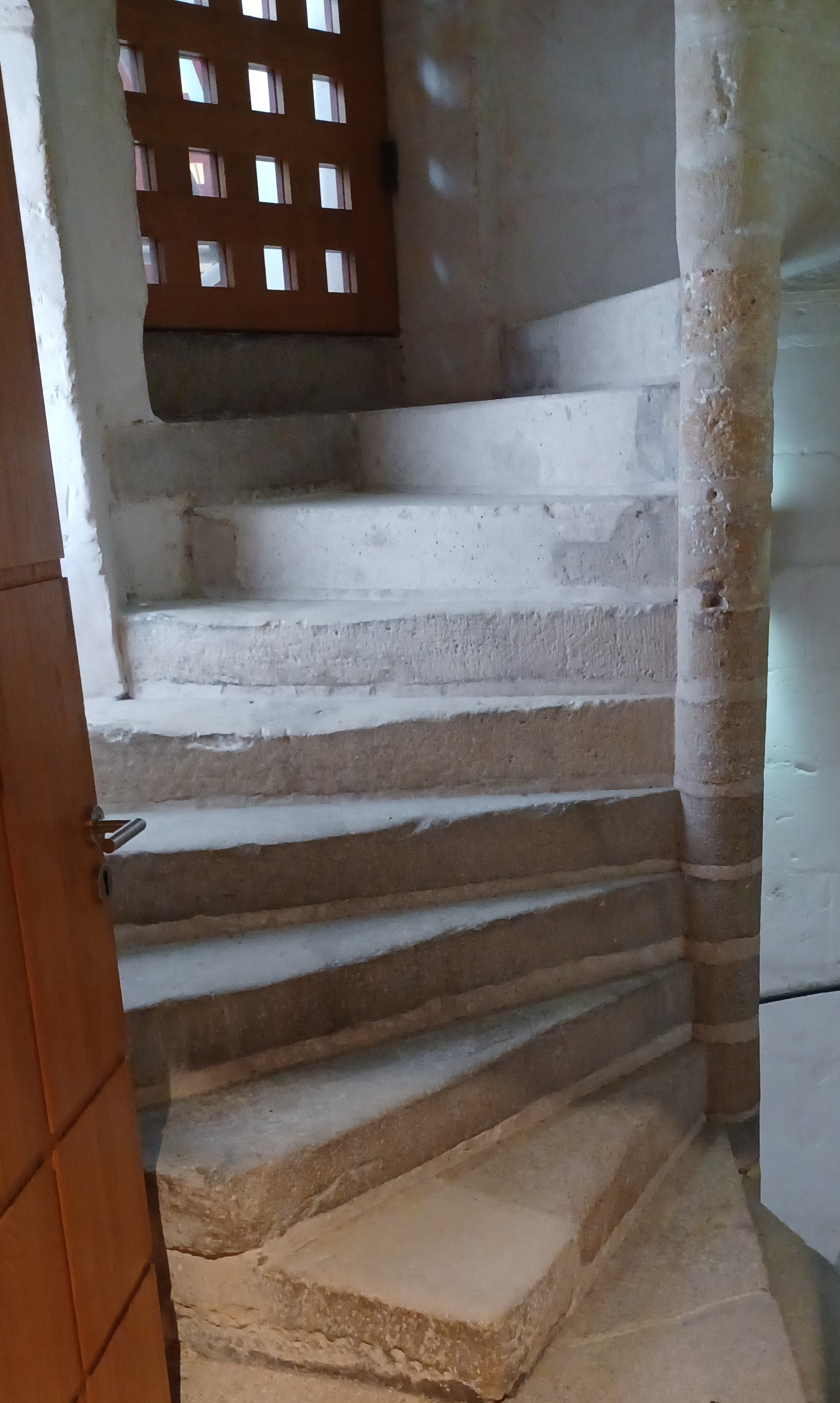
As with all museums housed in historic buildings, I take photos of the architectural details as well as my favorite artifacts.



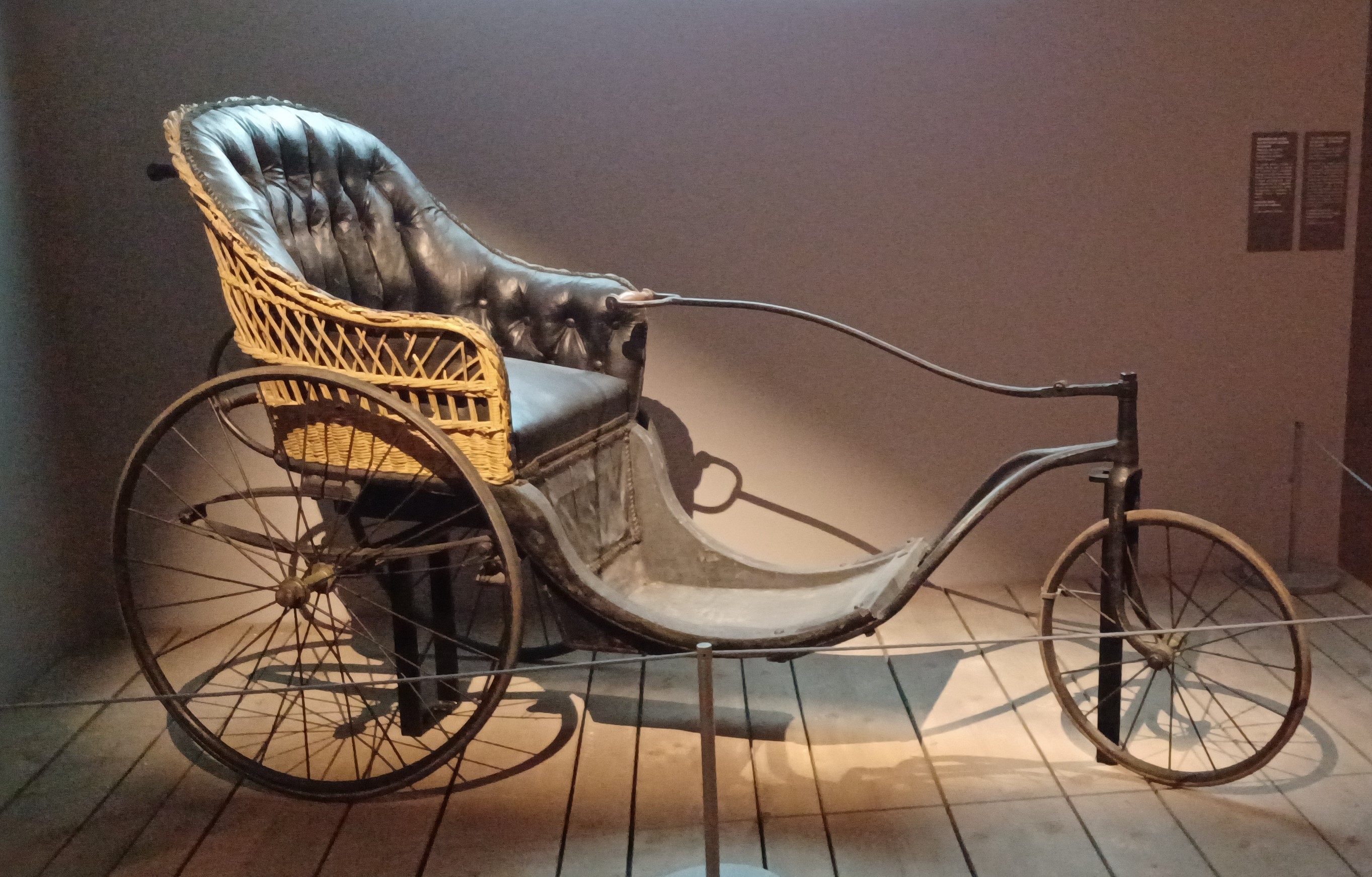
The final rooms were devoted to World Wars I and II and included the first 3-wheeled wheelchair I had ever seen, this one designed for a disabled soldier.
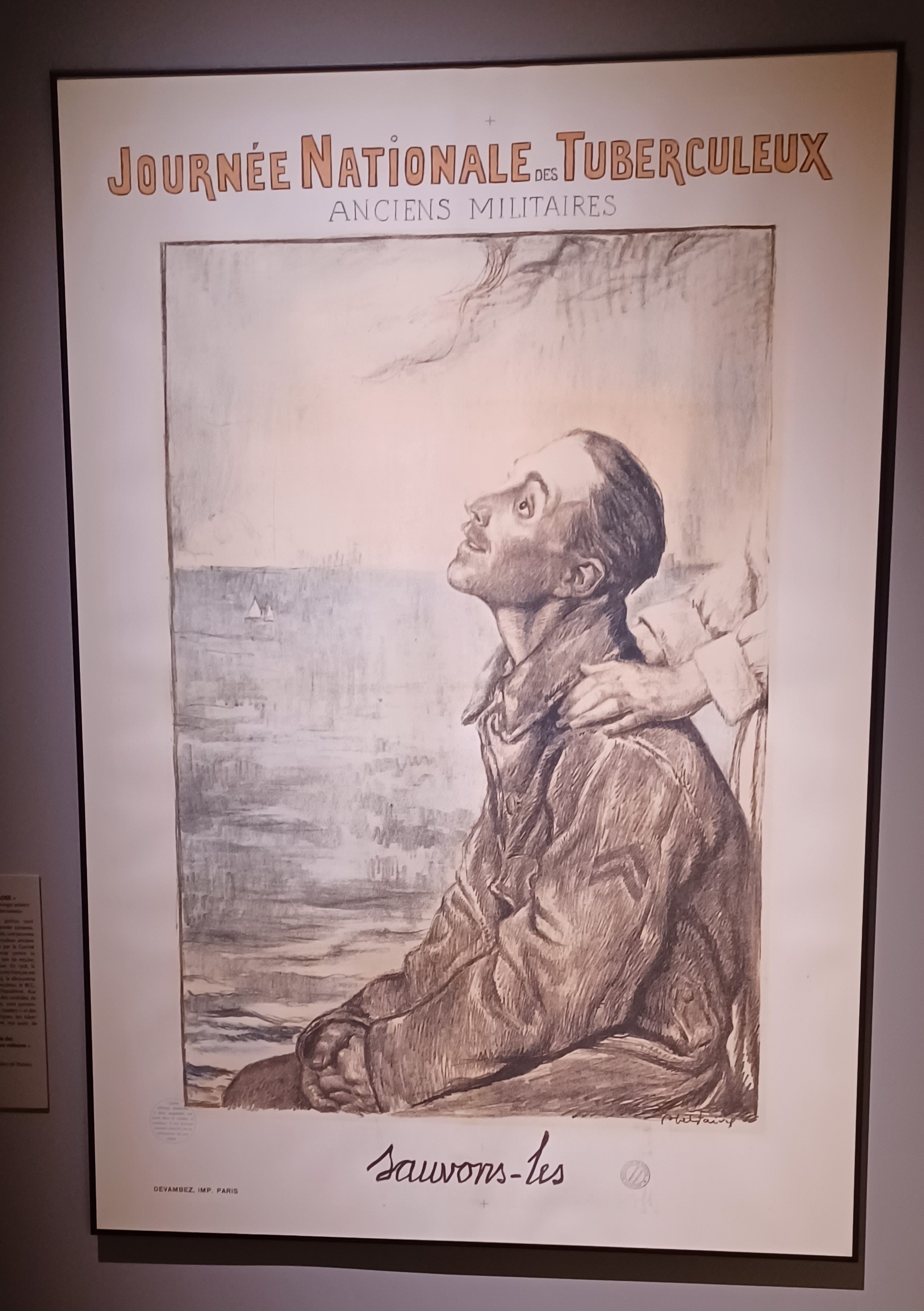
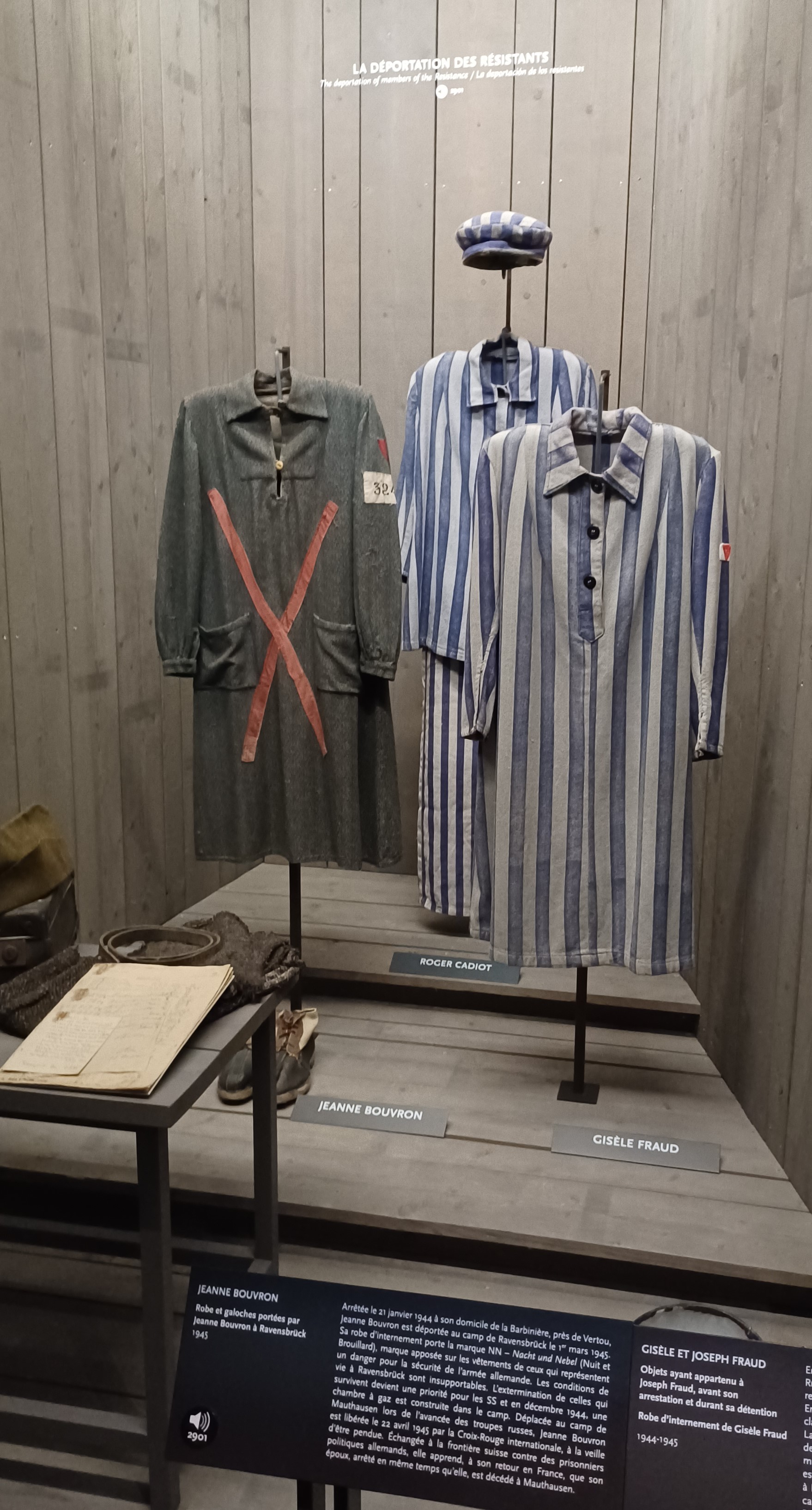
I’m off to find crepes for dinner. I found a place in the Boufay district and tried to order one with fruit filling, but it arrived with ice cream, whip cream, a tiny piece of what I think was marzipan, and an expresso on the side. I had already ordered Perrier and a cognac – an appertif which I have become a fan of.
I had originally planned to go to Angers tomorrow to see the Apocalypse Tapestry, but have opted out. I’m still having trouble accessing things on my phone, and I never did figure out the logistics. I’m still pretty fatigued. There’s plenty to see here, and I am enjoying my afternoon naps in my chapel room at the Sozo.
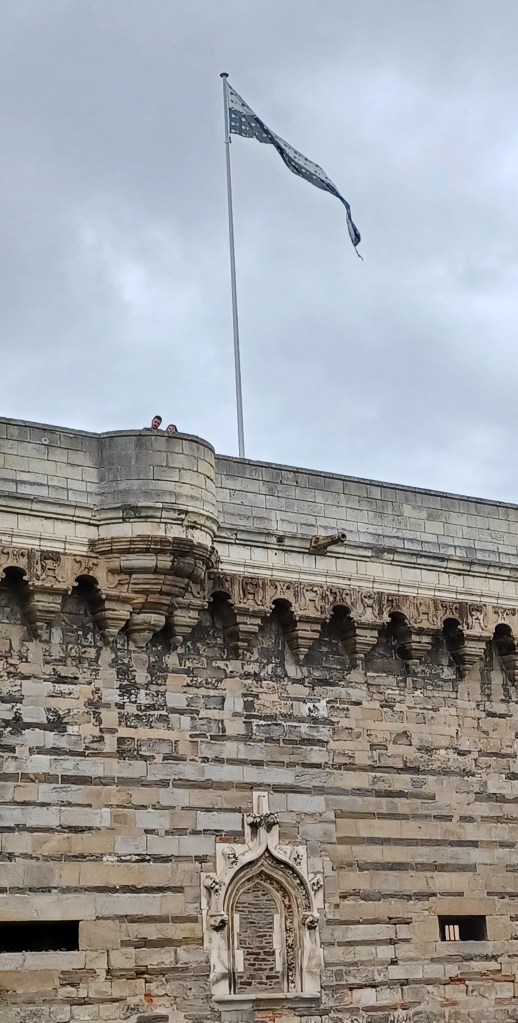
 Daveno Travels
I love the photos you include of architectural features, and the figures. The very last one is the best of these, I want to sit and chat with this lady for a long afternoon.
LikeLike
You and me both!
LikeLike
Your wonderful Nantes commentary, and detailed photo collection, has enticed me to visit, within this decade. I haven’t visited France since 1990. Five days was too brief, for Paris. It appears I should finally learn French, first, before I depart.
As a fellow American, I, also, deeply immersed myself, into your western biological studies of your family history. Thank you for sharing.
I, first, fell in love with many of your artisanal hats. Your hand-crafted clothing takes me back to my high-school years ~ my grandma taught me how to sew my own. In my late-1980s high school years, my creations, were displayed on the class mannequin.
Always wished to comment on your posts; this is the one that finally prompted me. Grateful you’re well, and creating!
Respectfully.
~ Tamara
LikeLike
Thank you Tamara! I highly recommend Nantes and other points south of Paris. Good luck with your French, and I hope to read about your own visits some day!
LikeLike